
Common Root Problems Causing Façade Deterioration in Singapore
Understand common root causes of façade deterioration in Singapore, including water ingress, poor detailing, corrosion, ageing, thermal movement and lack of maintenance.
SGFacadeScan Pte. Ltd. provides Singapore-focused PFI support, practical inspection planning and clear documentation for MCSTs, managing agents, building owners and facility managers.
Do not wait for deterioration to worsen. Send SGFacadeScan photos and basic building information so we can advise on the next steps for façade inspection planning.
Why Root Cause Matters
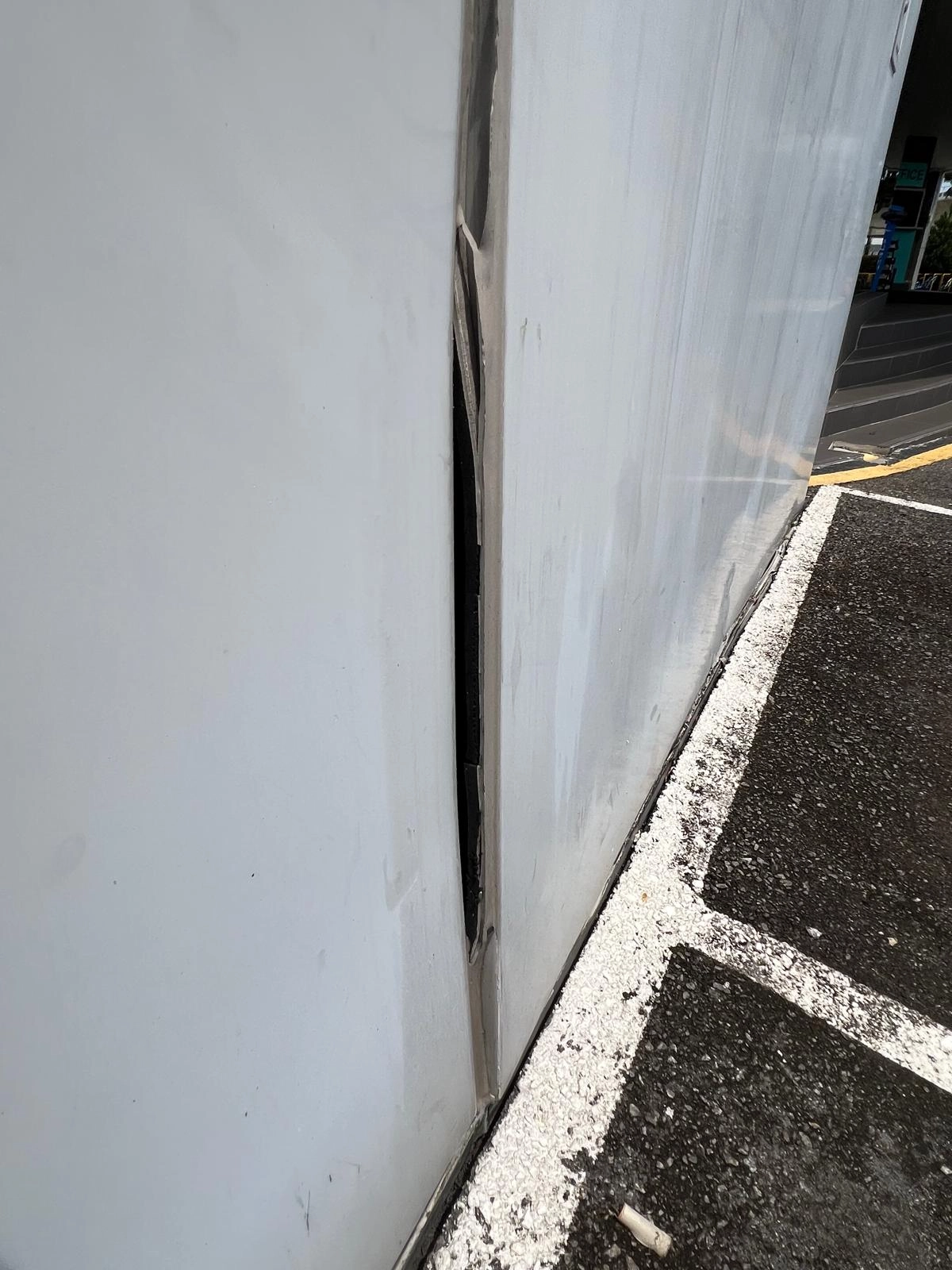
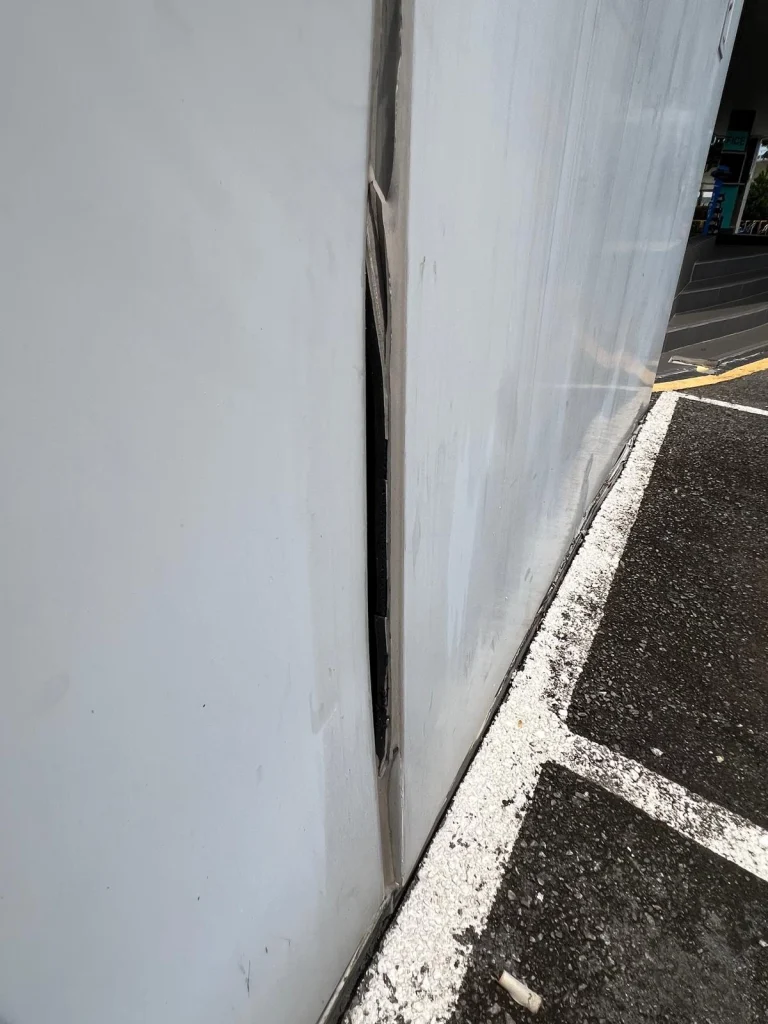
Façade defects are often visible at the surface, but the real problem may be hidden behind the finish, inside joints, behind panels, around fixings or within areas affected by water ingress. For effective PFI planning, building owners should understand the root problems that cause deterioration rather than treating every defect as an isolated stain, crack or loose tile.
A root-cause approach helps the Competent Person assess whether the defect is localised, repeated across similar façade areas or potentially systemic. It also helps building owners plan better remedial works after the inspection report is accepted.
PFI combines overall visual inspection with selected close-range inspection so the Competent Person can identify visible defects, assess representative areas and decide whether defects are isolated or repeated. If widespread or potentially systemic defects are observed, further investigation may be recommended for BCA’s consideration and approval.
Key Facade Issues Found During PFI
01. Water Ingress and Moisture Trapping
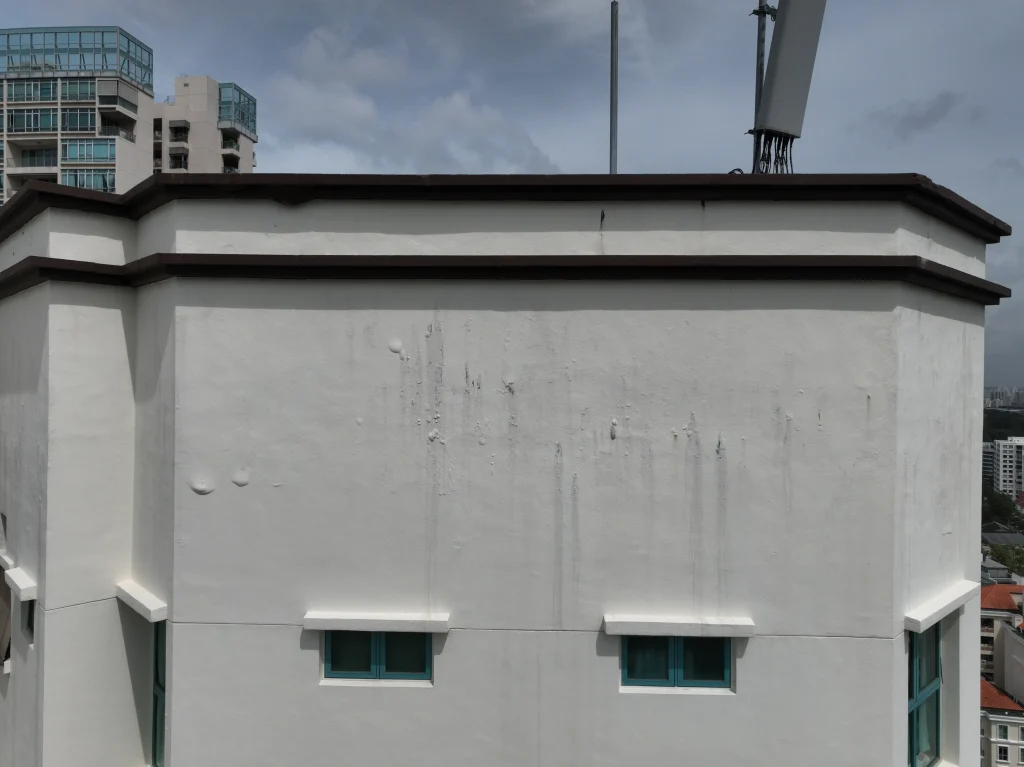
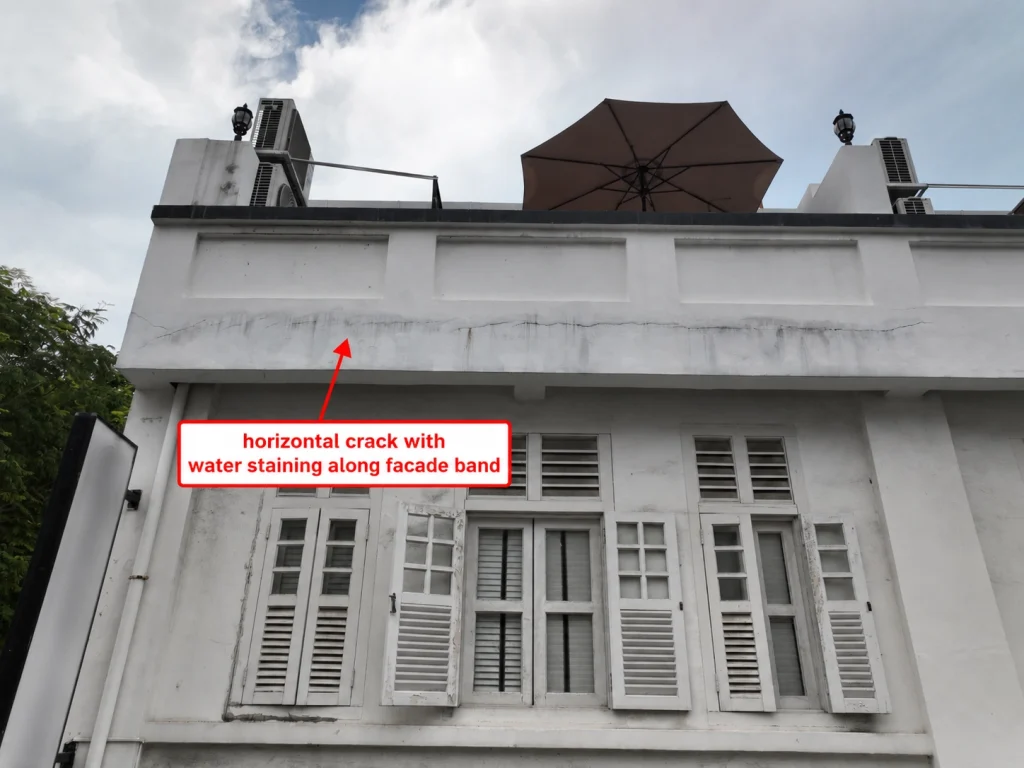
Water is one of the most common drivers of façade deterioration in Singapore’s tropical climate. Rainwater can enter through cracks, failed sealant joints, defective flashings, open gaps, poor drainage details or porous finishes. Once trapped, moisture can lead to staining, efflorescence, corrosion of embedded metal, plaster debonding, tile hollowness, mould growth and progressive deterioration.
02. Poor Original Design or Detailing
Façade details that do not shed water properly, allow dirt to collect, trap moisture or rely on weak support connections may deteriorate earlier. Examples include inadequate drip grooves, poor joint locations, insufficient movement joints, exposed fixings, difficult-to-maintain ledges and façade features that cannot be safely inspected or maintained.
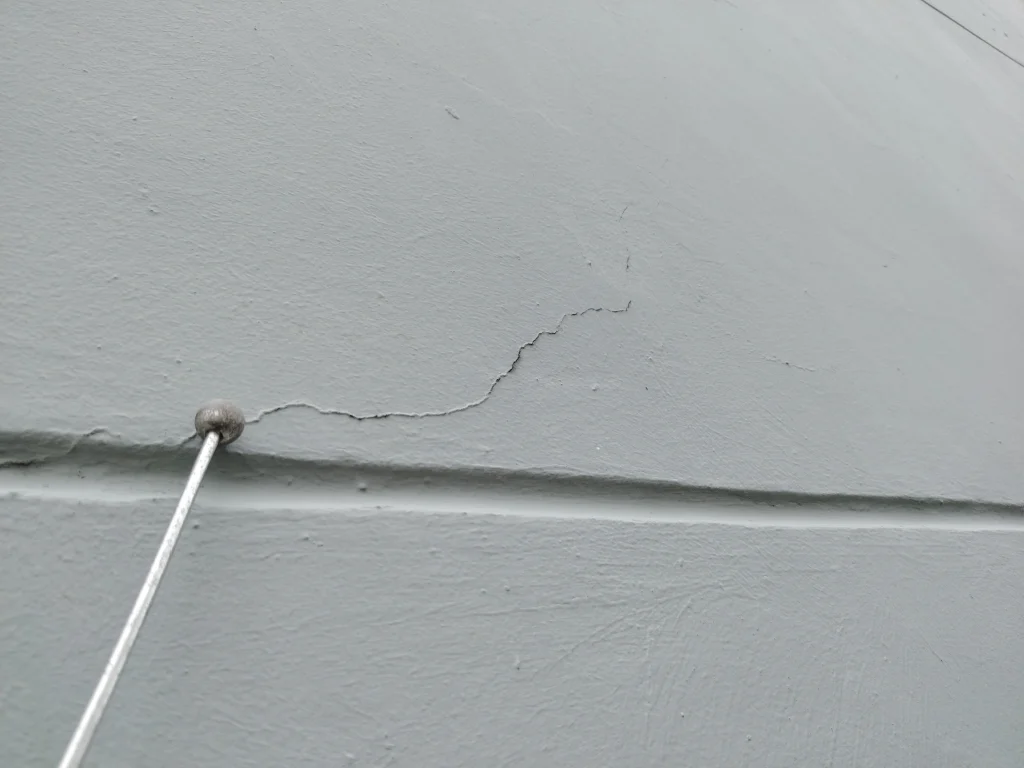
03. Workmanship Defects During Construction
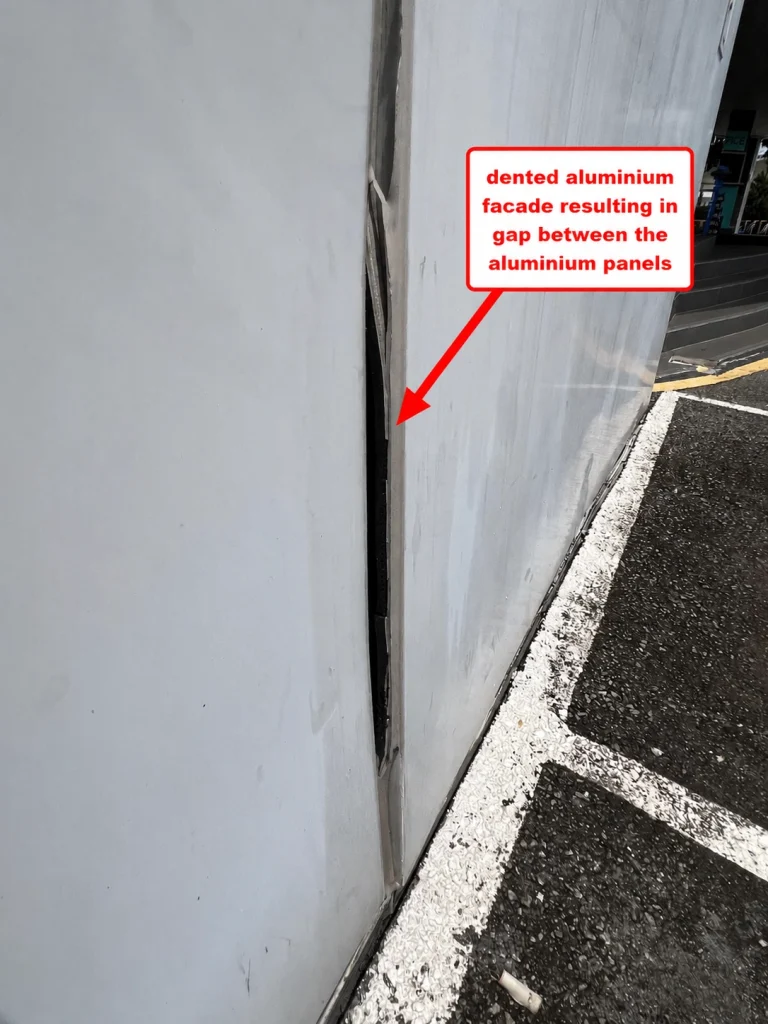
Workmanship issues can remain hidden for years before becoming visible. Poor substrate preparation, insufficient adhesive coverage, weak plaster bonding, incorrect sealant application, misaligned panels, insufficient fixing depth or poor installation tolerance can all contribute to façade defects that appear during later maintenance or PFI cycles.
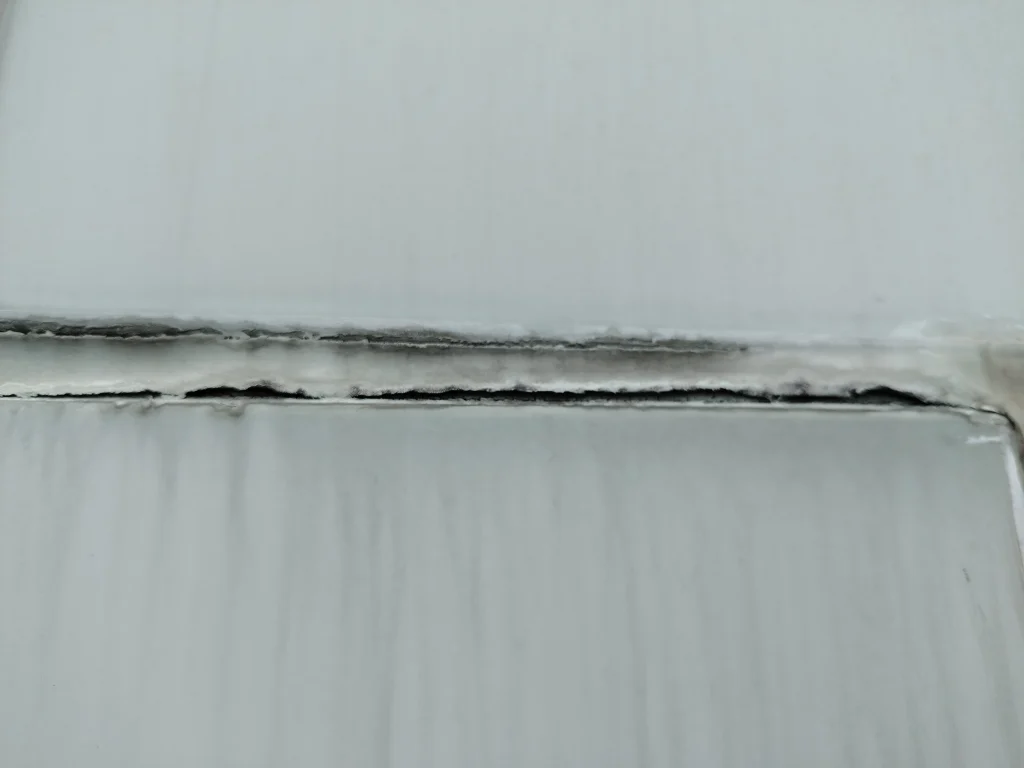
04. Material Degradation Over Time
Every façade material has a service life. Paint coatings chalk and fade, sealants harden or split, gaskets shrink, metal corrodes, tiles may lose bond, concrete surfaces crack and plaster systems weaken. Material ageing is accelerated by sun exposure, high humidity, rain, air pollution and repeated wet-dry cycles.
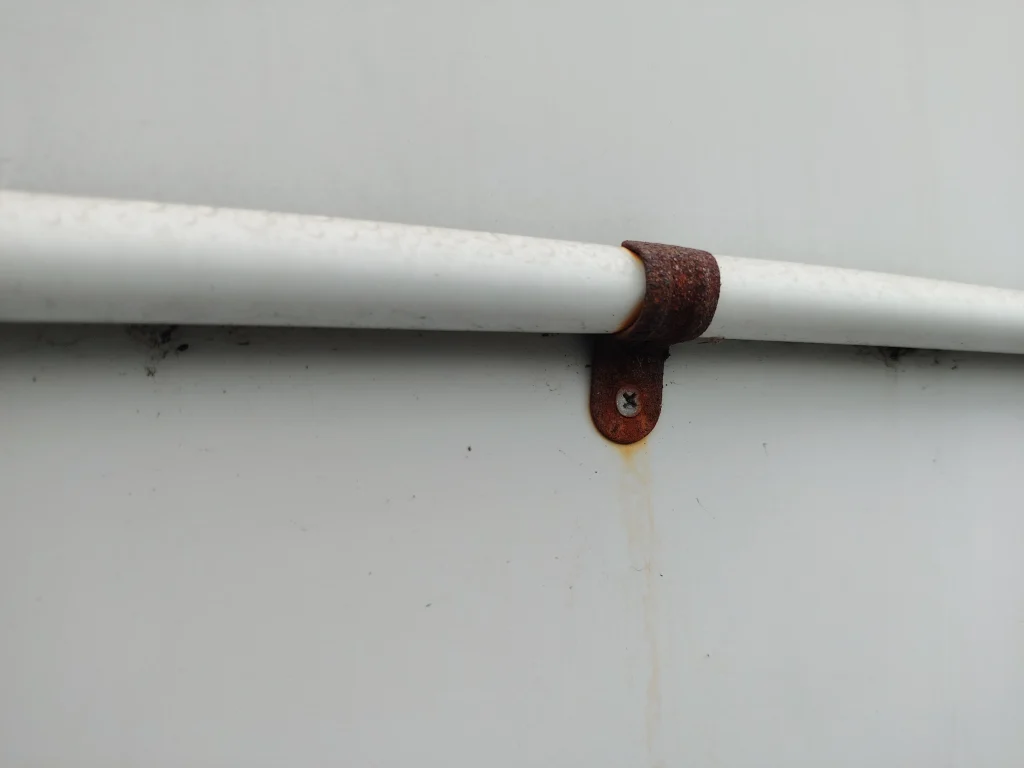
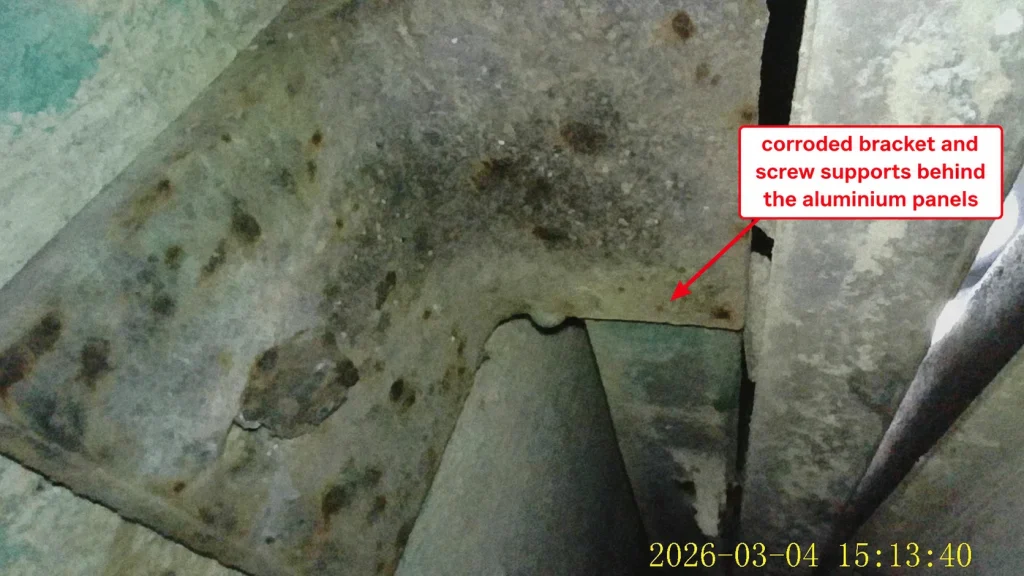
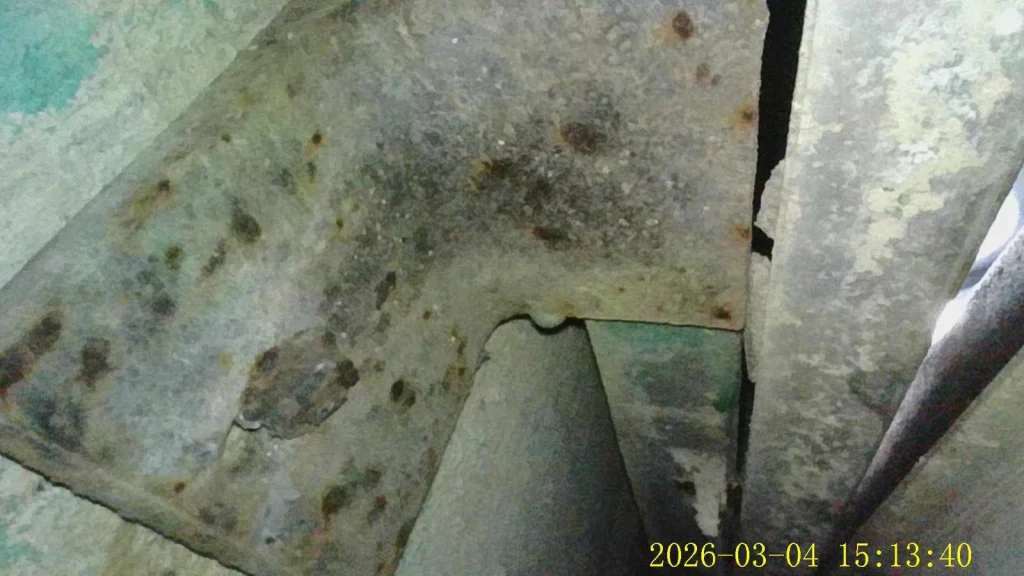
05. Corrosion of Metal Components
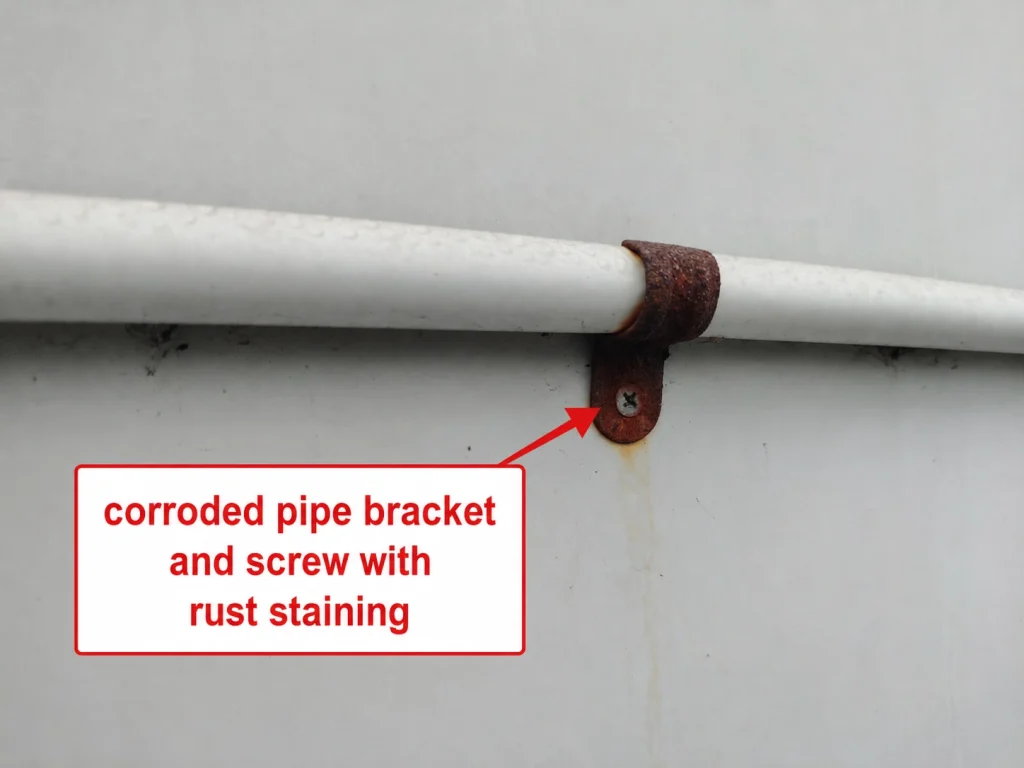
Metal brackets, screws, anchors, frames, railings and hidden fixings can corrode when exposed to moisture, salts or incompatible materials. Corrosion may weaken support connections and cause expansion, staining or cracking around the affected components. Hidden corrosion is especially important because it may not be obvious from ground-level viewing.
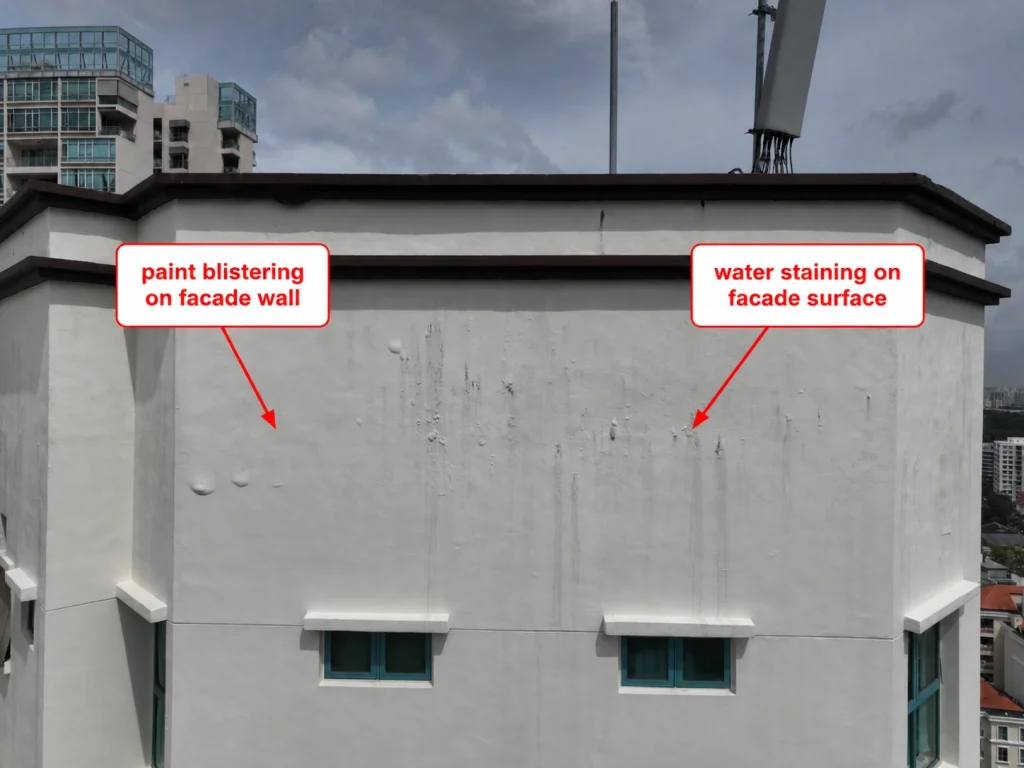
06. Thermal Movement and Building Movement
Singapore buildings experience daily temperature changes, solar heat gain and occasional building movement. Materials expand and contract at different rates. If movement joints are missing, blocked or poorly detailed, stress can build up and cause cracking, sealant failure, panel movement, tile debonding or façade leakage.
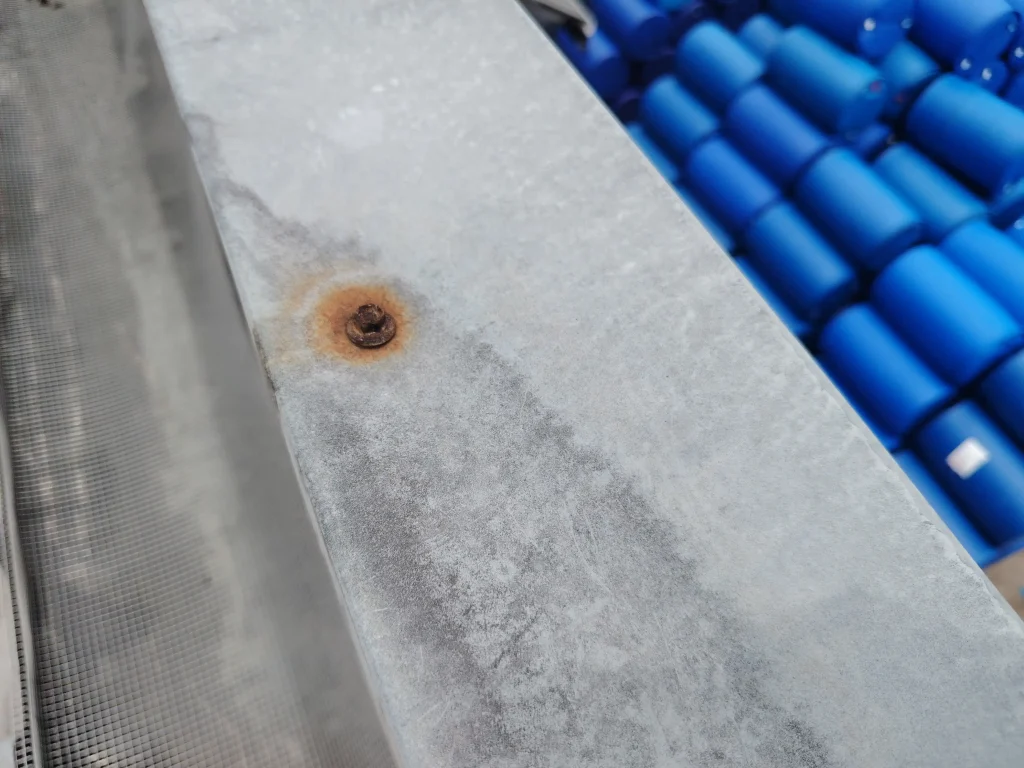
07. Lack of Regular Maintenance
Small façade issues become more expensive when they are not addressed early. Blocked drainage, failed sealants, rust stains, hairline cracks, loose features and water marks should not be ignored. Regular maintenance helps prevent minor deterioration from developing into public safety risks.
08. Environmental Exposure
Façades facing heavy rain, direct sun, traffic pollution, coastal conditions, industrial fumes or high wind exposure may deteriorate faster. Different elevations of the same building can age differently, so inspection planning should consider orientation, surrounding site conditions and areas exposed to higher weathering.
09. Previous Repairs Not Properly Carried Out
Previous repairs can create new problems if the cause was not properly addressed. Patching over damp areas, using incompatible materials, covering cracks without treating movement, or replacing loose tiles without reviewing the substrate may only delay the same defect from returning.
10. Poor Drainage and Ponding Water
Flat ledges, clogged outlets, poorly sloped surfaces and blocked drainage paths can create ponding water. Repeated ponding increases water ingress risk, staining, algae growth and deterioration of finishes and sealants.
11. Vibration and External Loading
Vibration from nearby roads, mechanical equipment or repeated use of external features can affect façade elements over time. Added loads, unauthorised installations, signage, awnings or heavy façade attachments should be reviewed carefully because they can affect brackets, fixings and supporting elements.
Frequently Asked Questions
1. How does this page help with PFI planning?
This page helps building owners, MCSTs and managing agents understand common root problems causing façade deterioration before they request professional PFI support.
2. When should I contact SGFacadeScan?
Contact SGFacadeScan when you have received a BCA PFI notice, need help preparing inspection information, or want a quotation for Periodic Façade Inspection support.