Facade Defect Assessment Singapore
Facade defect assessment is the stage where inspection photos from drone and close-range observations and professional judgement are organised into clear findings for the building owner. For Periodic Facade Inspection (PFI), the assessment should help owners understand what is safe, what requires repair, and whether any area needs further investigation.
SGFacadeScan uses final-report-style assessment methods: 100% drone-assisted visual inspection records, selected close-range rope access inspection records, defect photographs, location references, severity notes and CP-led review. The photo placeholders in this page cover common PFI findings such as failed sealant joints, open panel joints, water staining, corroded fixings, louvre defects, roof/soffit deterioration and external wall cracks.
Quick Answer: What Is Facade Defect Assessment?
Facade defect assessment is the professional review of external wall and facade defects after inspection. It identifies the type of defect, the likely cause, the affected facade element, the potential risk, and the recommended classification: Safe, Require Repair or Unsafe.
Sample Report Photos - Examples of Defects Assessed
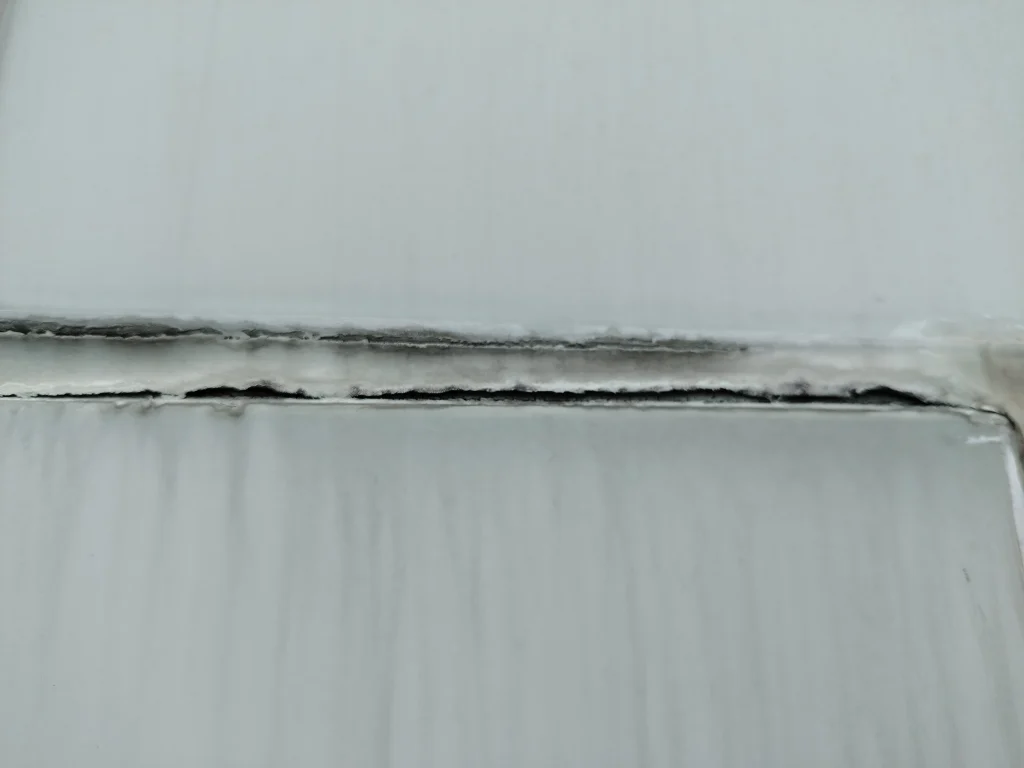
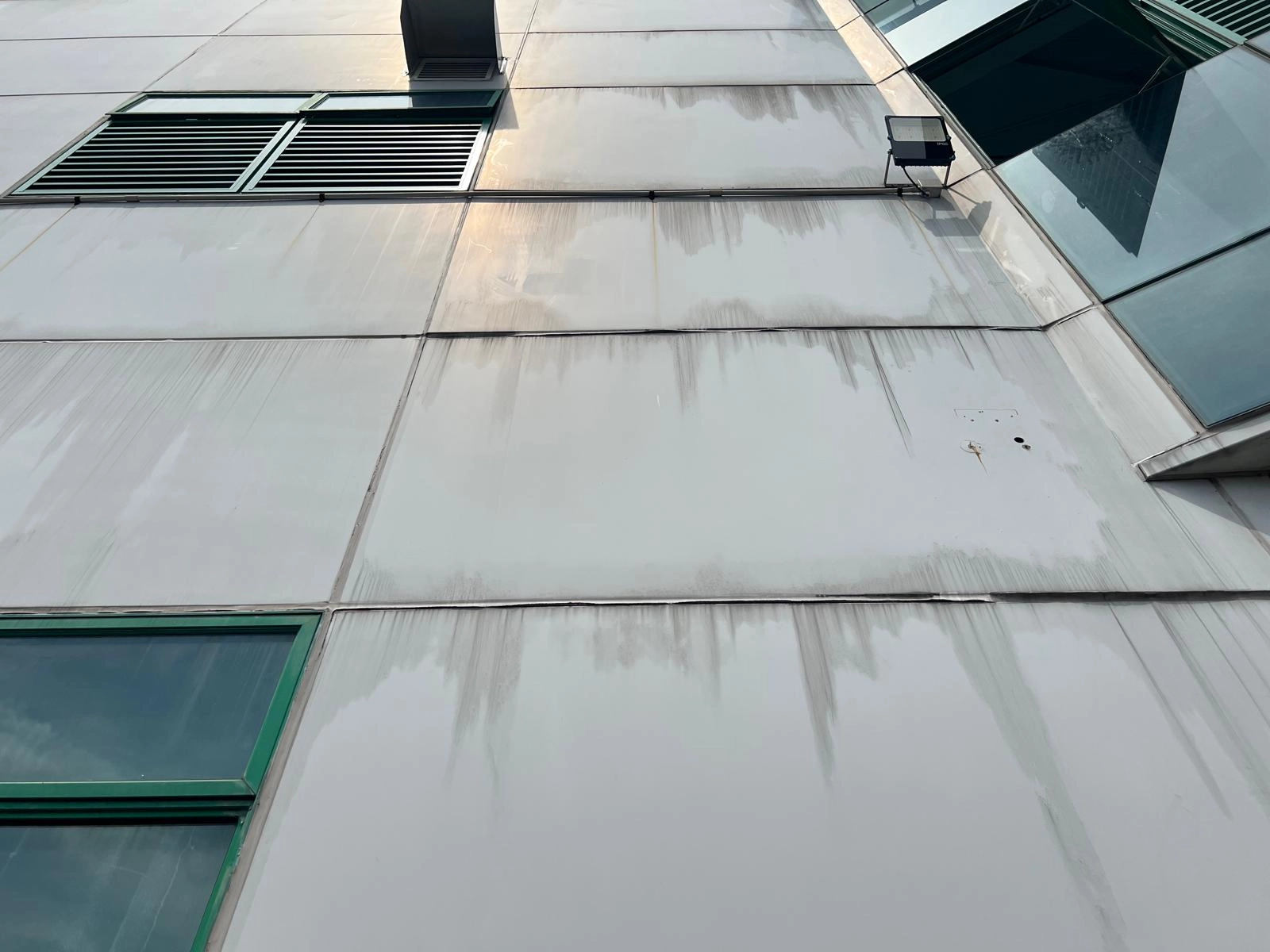
Failed sealant / open joint
Failed sealant and open horizontal joint with visible staining, indicating a possible water ingress pathway.
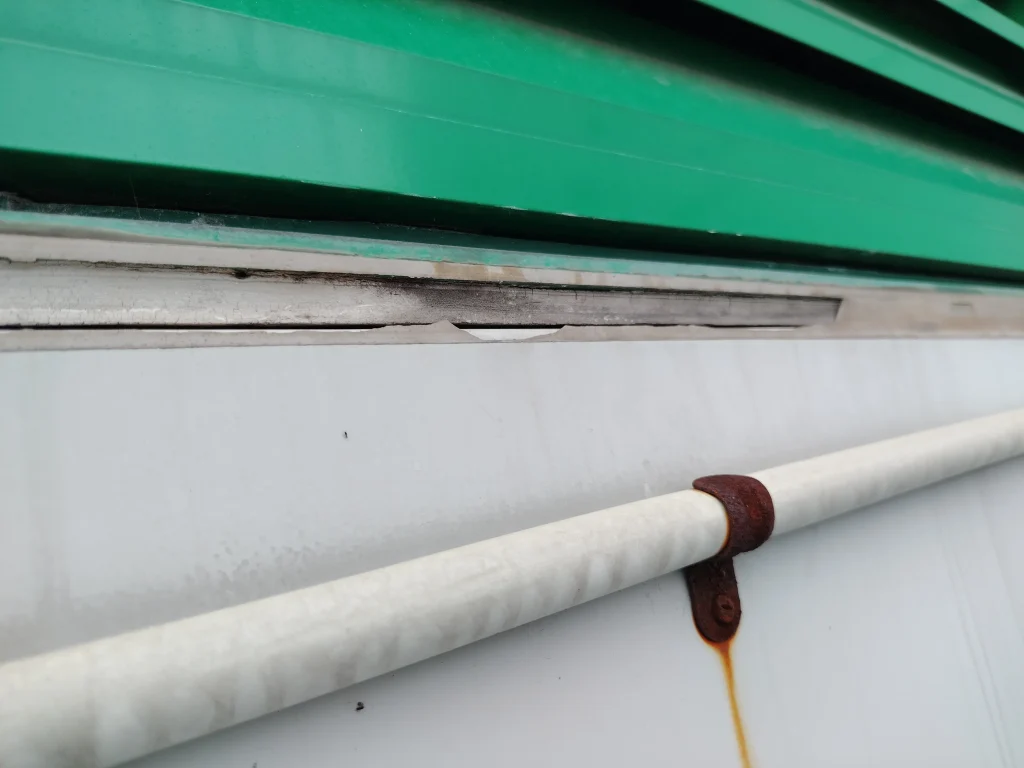
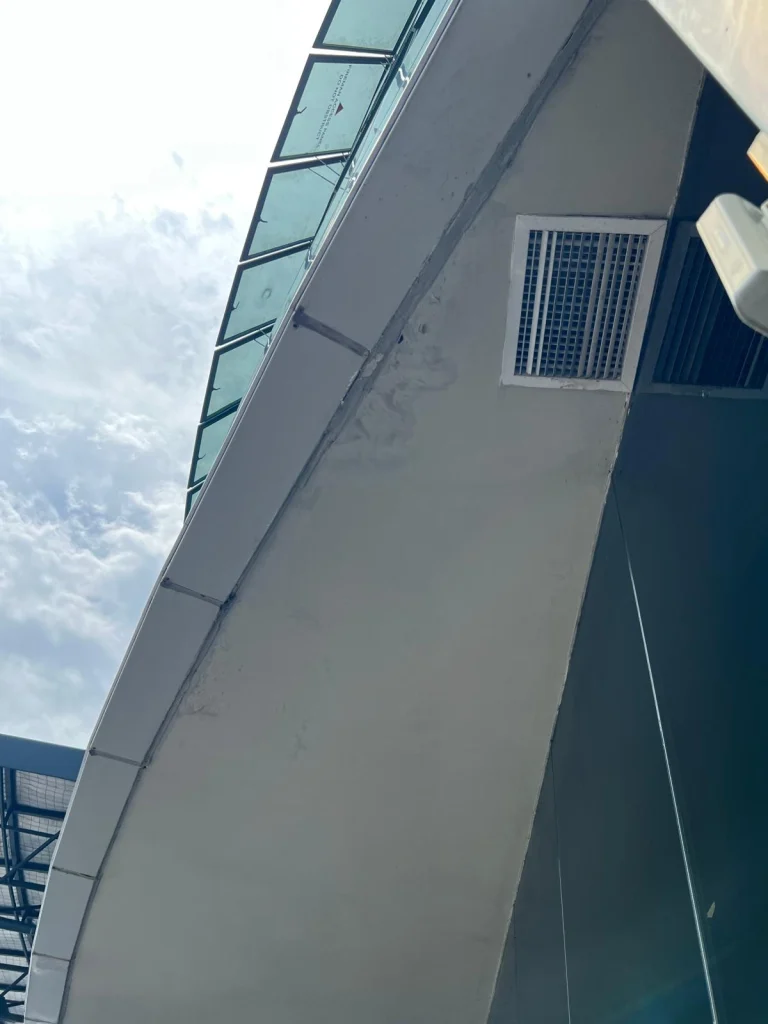
Louvre frame sealant gap / rust staining
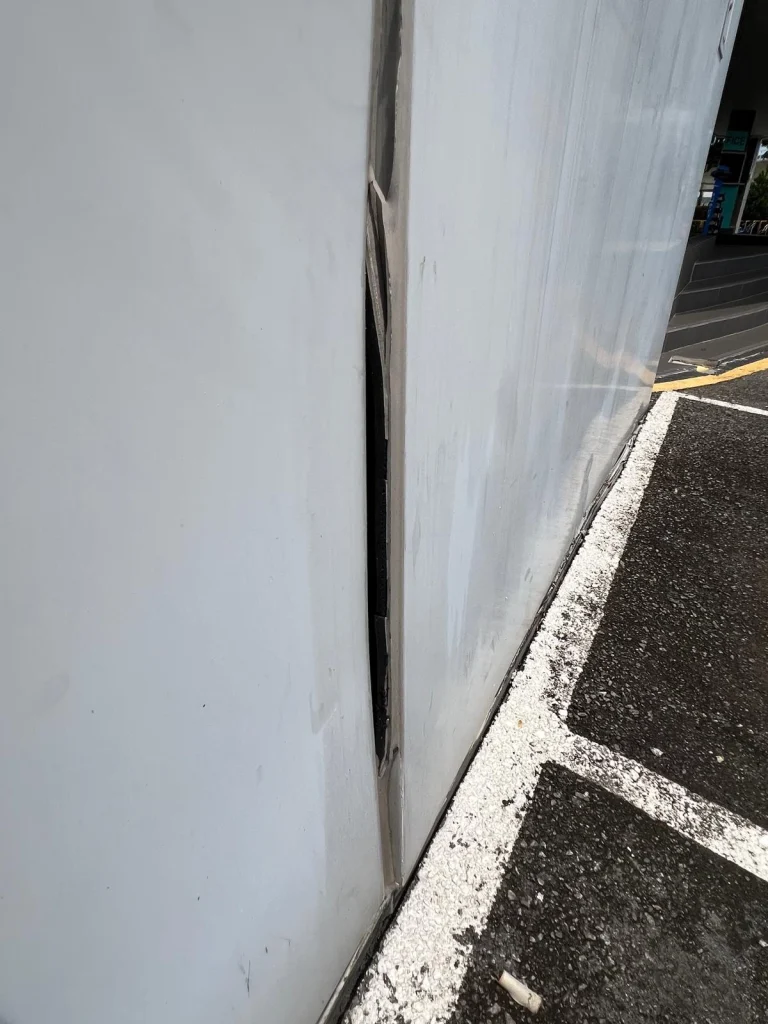
Open vertical panel joint
Open vertical facade panel joint with failed sealant and visible cavity, requiring repair assessment.
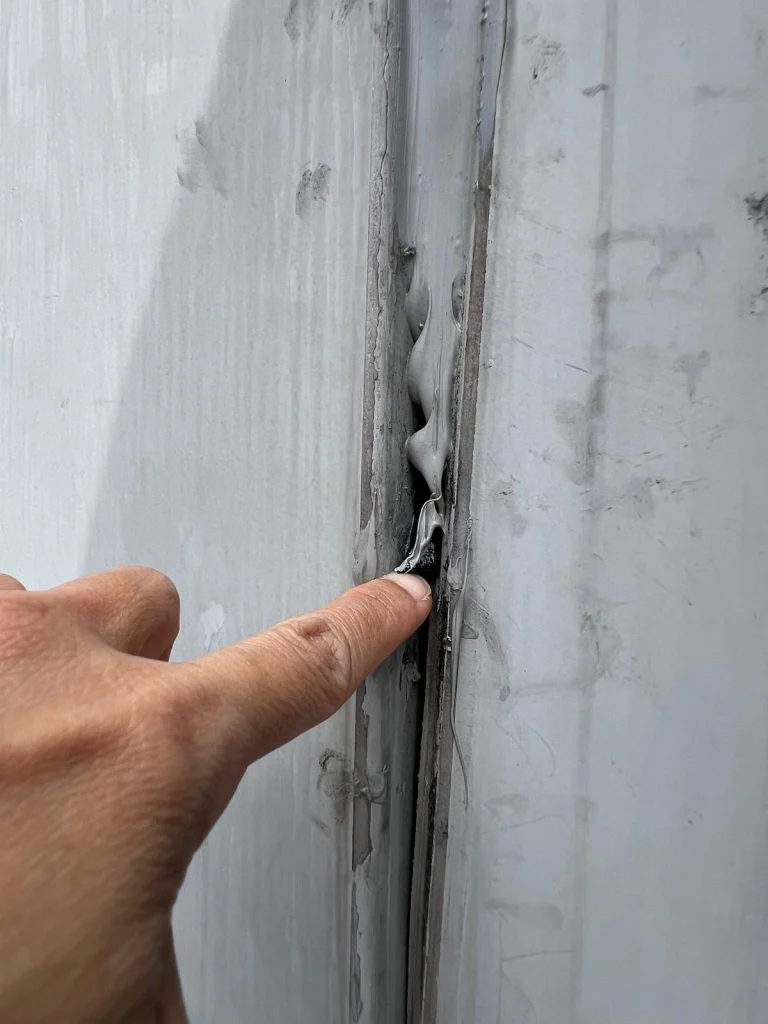
Close-range failed panel joint sealant
Close-range verification of failed sealant gap at vertical panel joint, confirming repair requirement.
Efflorescence
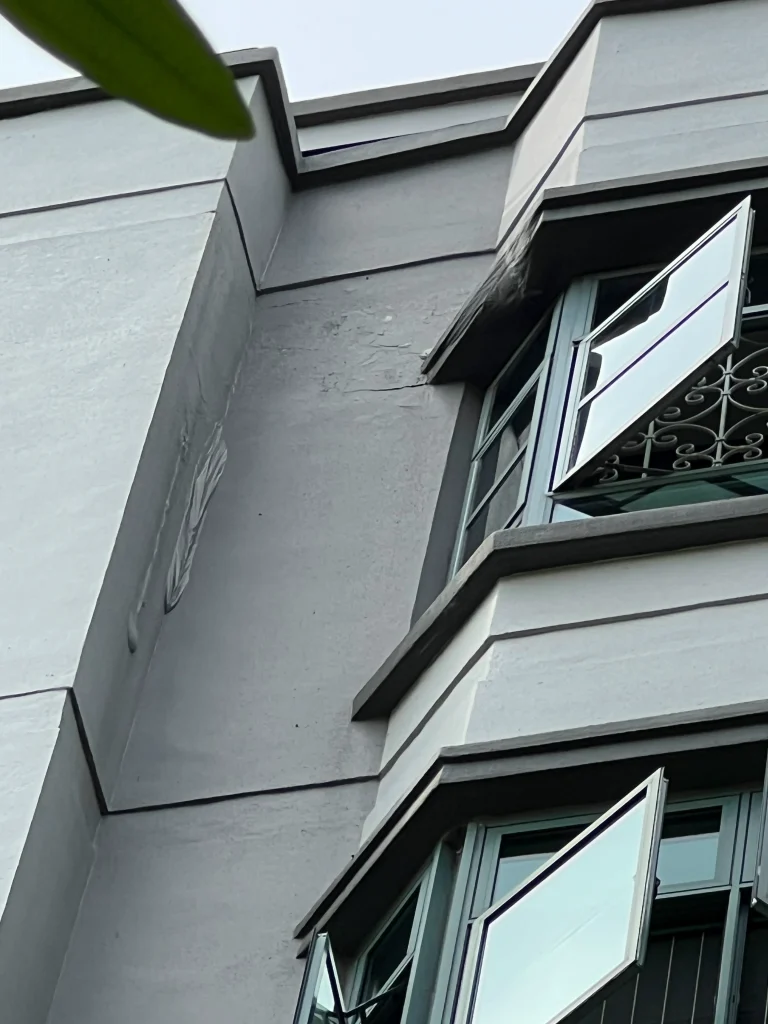
Efflorescence on external wall crack and localised plaster deterioration near the window bay
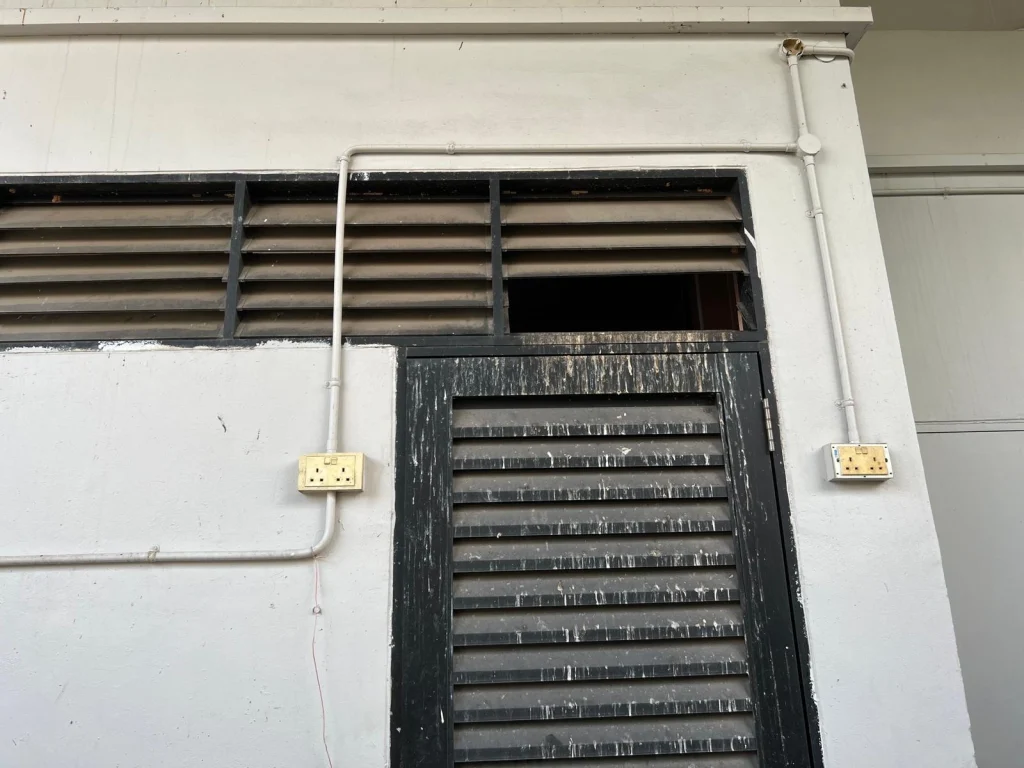
Louvre / door frame staining
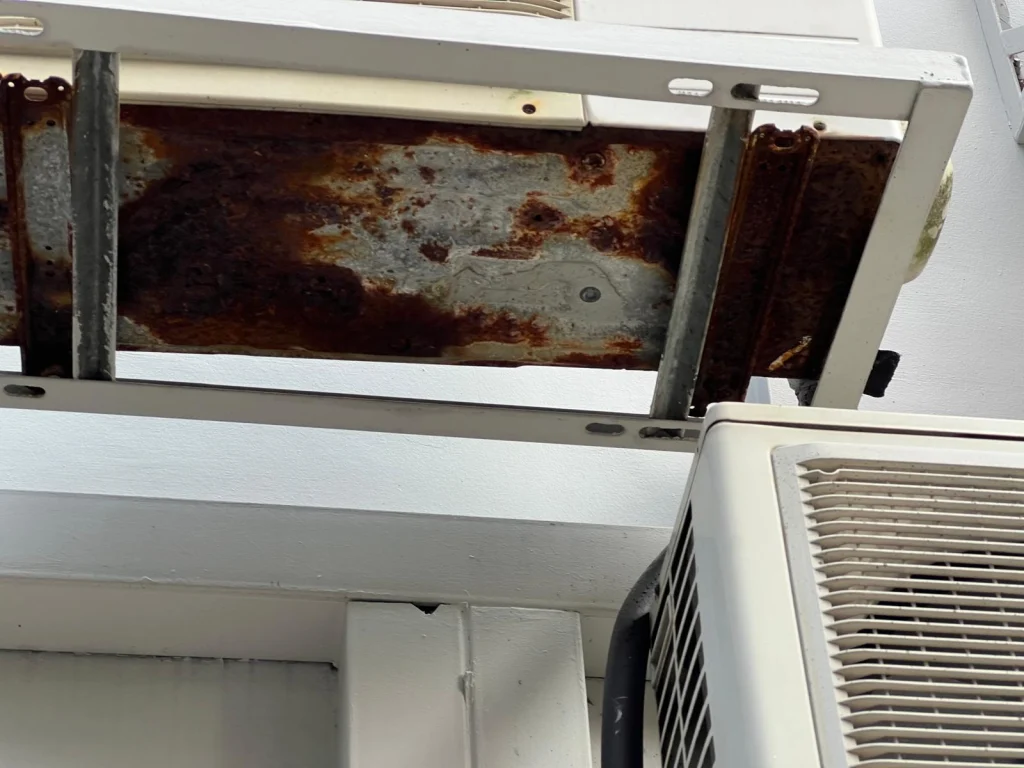
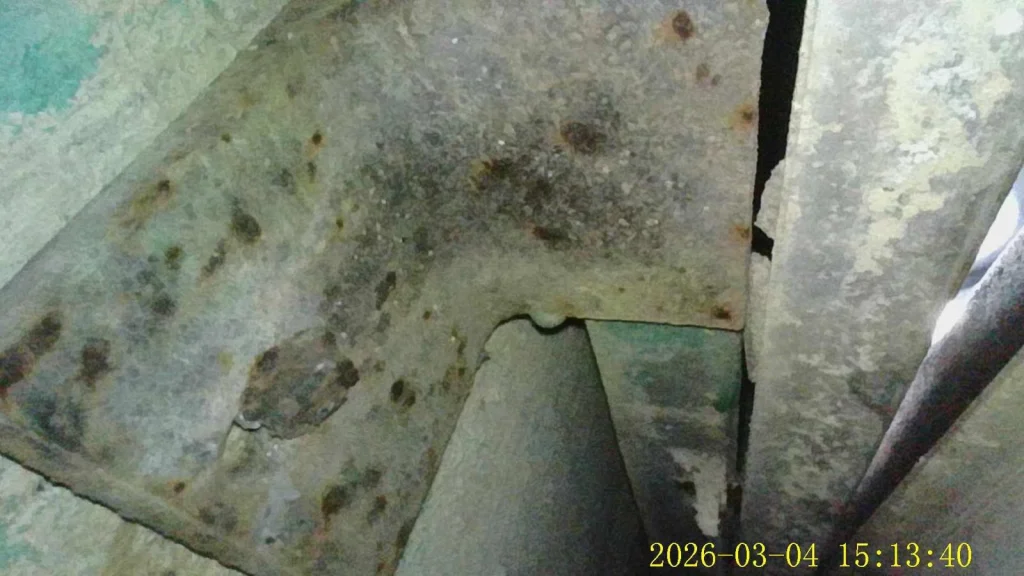
Corroded metal support / bracket
Corroded metal support for air condenser unit
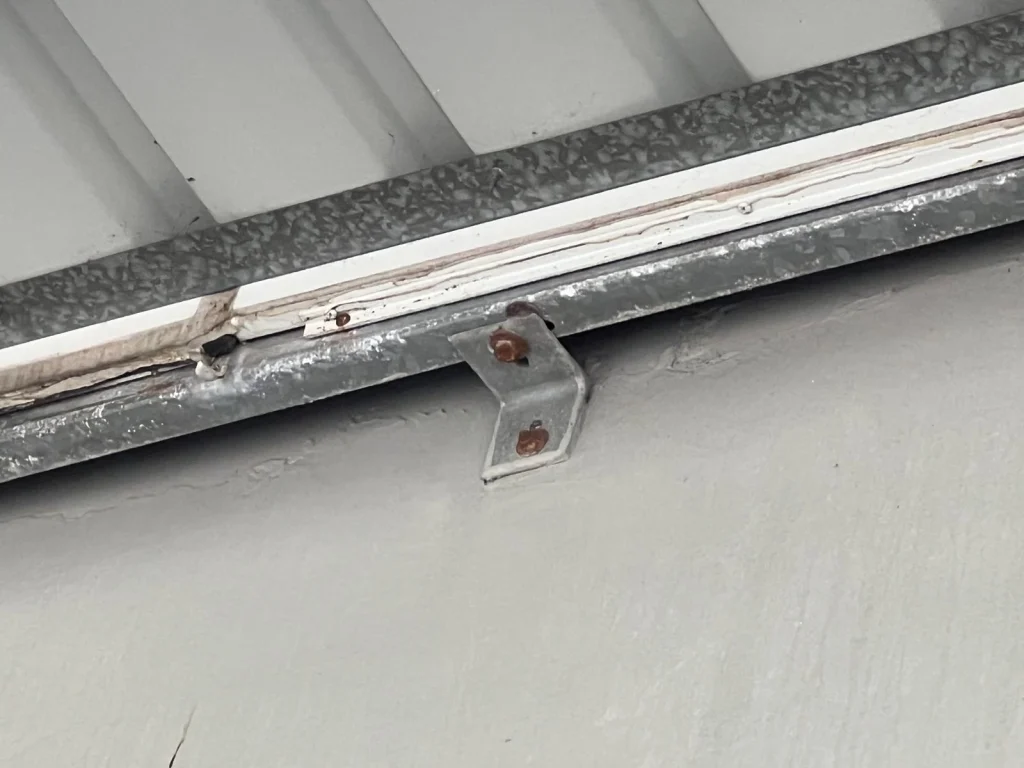
Corroded screw fixing / bracket
Corroded screw fixings and bracket at roof requiring repair assessment.
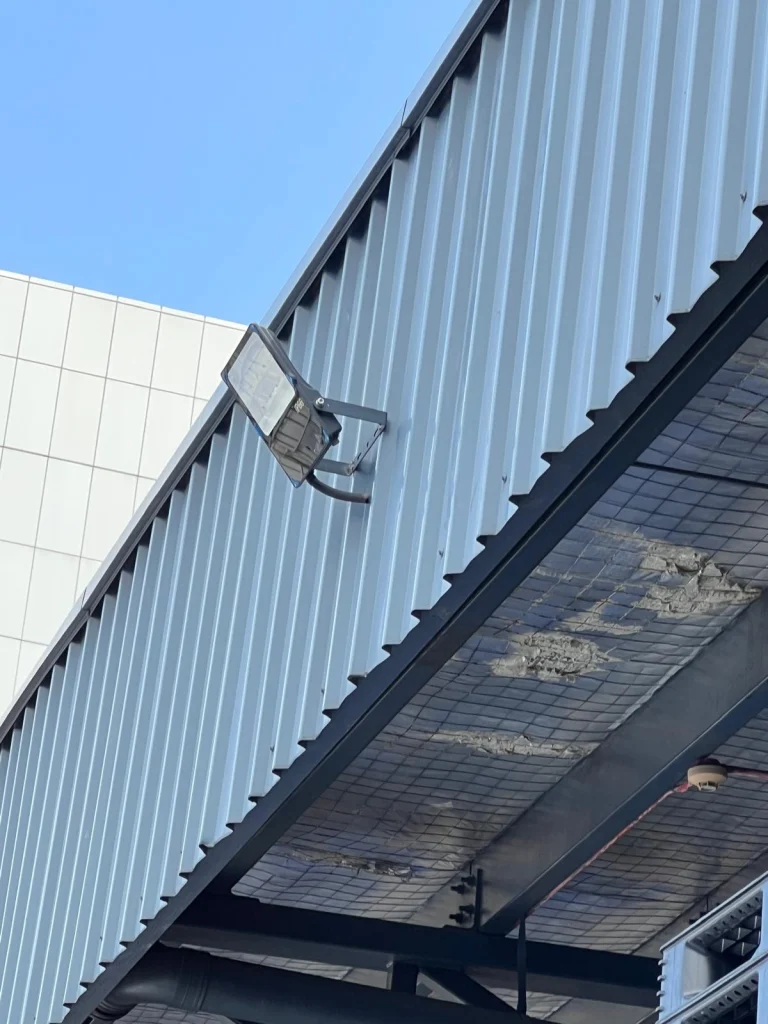
Roof / soffit deterioration
Close-range view of corroded bracket support for aluminium façade cladding
Soffit staining / facade edge
Sample Defect Assessment
In the defect assessment, the Competent Person summarises the key defects and assesses whether the defects found are “Safe”, “Require Repair” or “Unsafe”.
Safe
No immediate repair action is required for that specific observation, but the condition should continue to be monitored.
Example: minor staining or peeling paint may be recorded as Safe where it does not indicate instability or falling hazard.
Require Repair
The defect should be rectified within the recommended timeframe to prevent further deterioration or safety risk.
Example: corroded screws, failed sealant, loose louvre fixings, defective windows, hollow plaster or water ingress indicators.
Unsafe
Immediate safety measures may be needed, such as removing loose elements, cordoning off the area or installing protective hoarding.
Example: loose, dangling or unstable facade components with risk of falling.
Key Defect Groups and Typical Classification Classification
Defect group
Final report examples
Assessment consideration
Typical classification
How SGFacadeScan Presents Defect Assessment to Clients
Photos are used to support each finding, making it easier for MCST councils and managing agents to explain issues to owners and contractors.
Assessment language is kept practical: what was observed, why it matters, and what should be done next.
Frequently Asked Questions
1. What is facade defect assessment?
It is the professional review of facade inspection findings to determine the type, severity, likely cause and recommended next step for each defect.
2. Does every defect mean the facade is unsafe?
No. Many defects are classified as Require Repair rather than Unsafe. The purpose of assessment is to identify whether the issue is cosmetic, durability-related, maintenance-related or safety-critical.
3. Why are close-range photos important?
Close-range photos allow the CP to verify details such as failed sealant, corroded fixings, missing bolts, hollow plaster or loose facade attachments that may not be clear from drone overview photos alone.
4. Can SGFacadeScan help explain findings to MCST councils?
Yes. SGFacadeScan can organise findings into clear tables, photos and recommendations to support MCST council updates, owner communication and repair planning.