
Condominium PFI Case Study: Condominium Building in Singapore
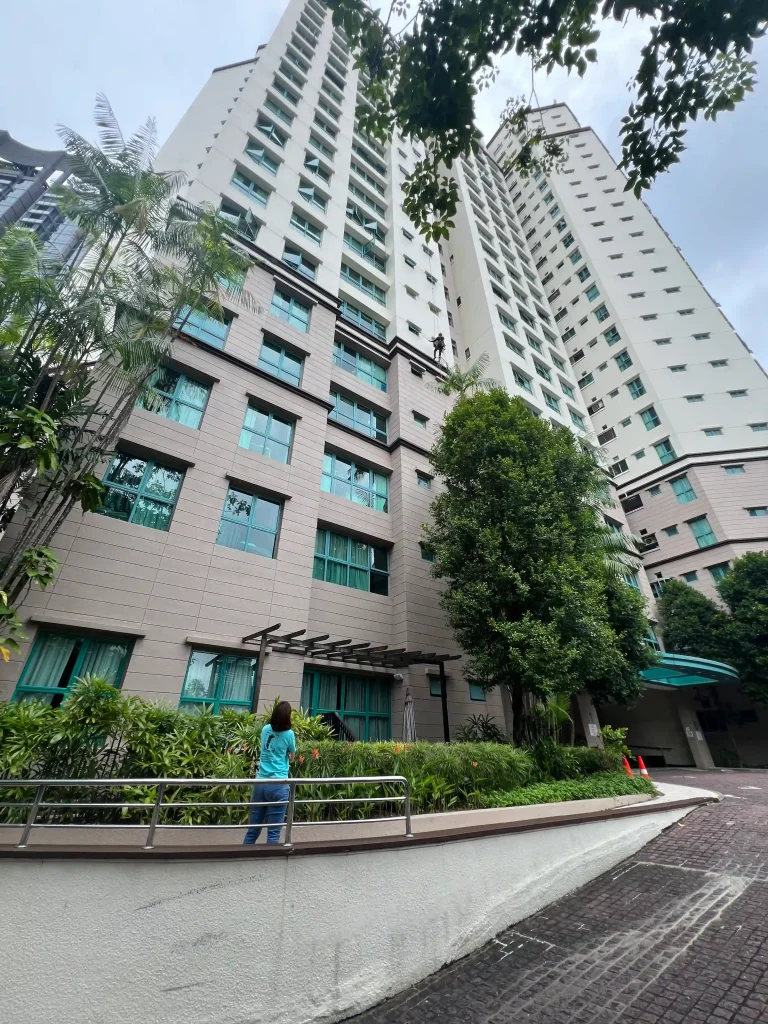
This condominium PFI case study shows how SGFacadeScan supports MCSTs, managing agents and building owners with a structured Periodic Facade Inspection workflow for residential buildings in Singapore. The project for a condominium building in Singapore involved 100% visual inspection using drone capture, minimum 10% close-range inspection by rope access, defect documentation, assessment and recommended repair actions.
For residential developments, the value of PFI is not only compliance. A clear inspection record helps the MCST understand facade condition, prioritise repair budgets and communicate next steps to council members, residents and appointed contractors.
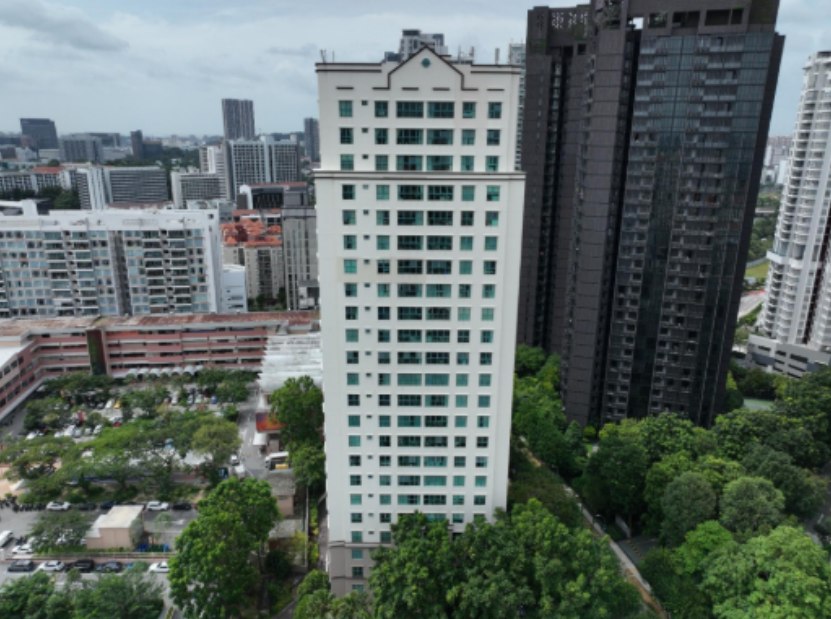
Case Study Snapshot
Item
Case Study Details
No unsafe defect was found. Several defects required repair, and no full facade inspection was required for this case study.
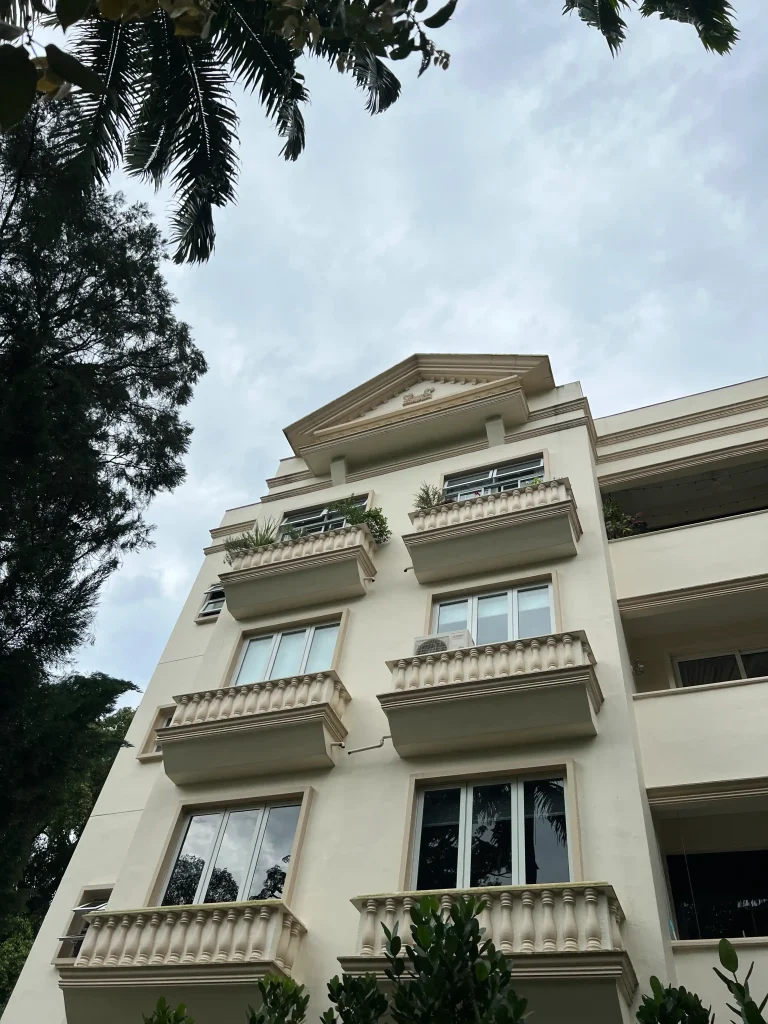
What Was Inspected at the Condominium Building
100% drone visual inspection
The 100% visual inspection covered all facade systems of the building. Drone images were captured systematically from top to bottom of each elevation, with close-up photos taken where visible defects were identified. This supported a complete photographic record of the condominium elevations and helped the inspection team locate defects for assessment.
Minimum 10% close-range inspection by rope access
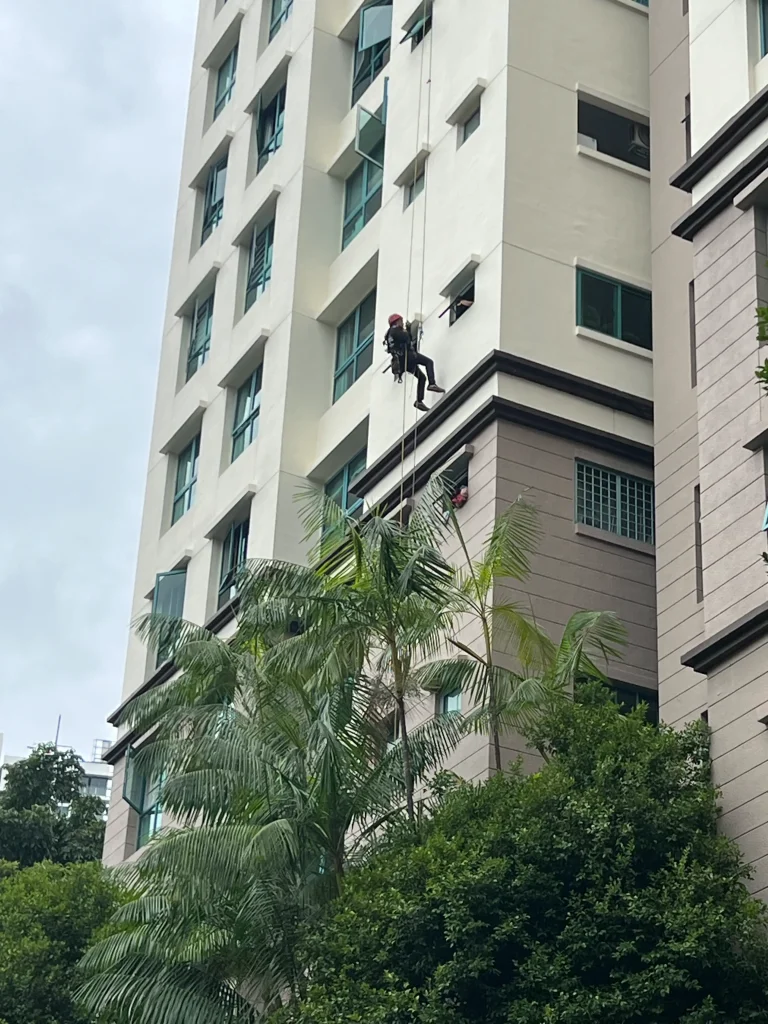
Selected facade areas were checked at close range using rope access. The close-range locations were chosen to capture different facade elements, including windows, louvres, air-conditioning condenser zones, concrete wall areas, roof/canopy elements and other facade attachments. Close-range inspection allowed closer verification of defects that cannot be fully assessed from ground level or drone images alone.
Defect assessment and reporting
The findings were classified for safety and repair planning. For this case study, the inspection record identified no unsafe facade defect, but noted multiple repair-required items such as paint blistering, cracks, corrosion, hollowness, defective window gasket, efflorescence, missing window hinge screw, peeling paint and localised wall defects.
Key Facade Findings from the Condominium PFI
The defects found at this condominium building are typical of ageing residential facades in Singapore. They show why condominium PFI should be planned as both a compliance exercise and a practical maintenance tool.
Defect Category
Example Findings in This Case Study
Why It Matters for MCSTs and Managing Agents
Plaster/paint cracks, crackline and chipped concrete were recorded.
Sample Case Study Photos
Use the following sample photos to support the webpage visually. Do not publish sensitive report reference numbers, signatures, personal contact details or full internal report pages on the live site.
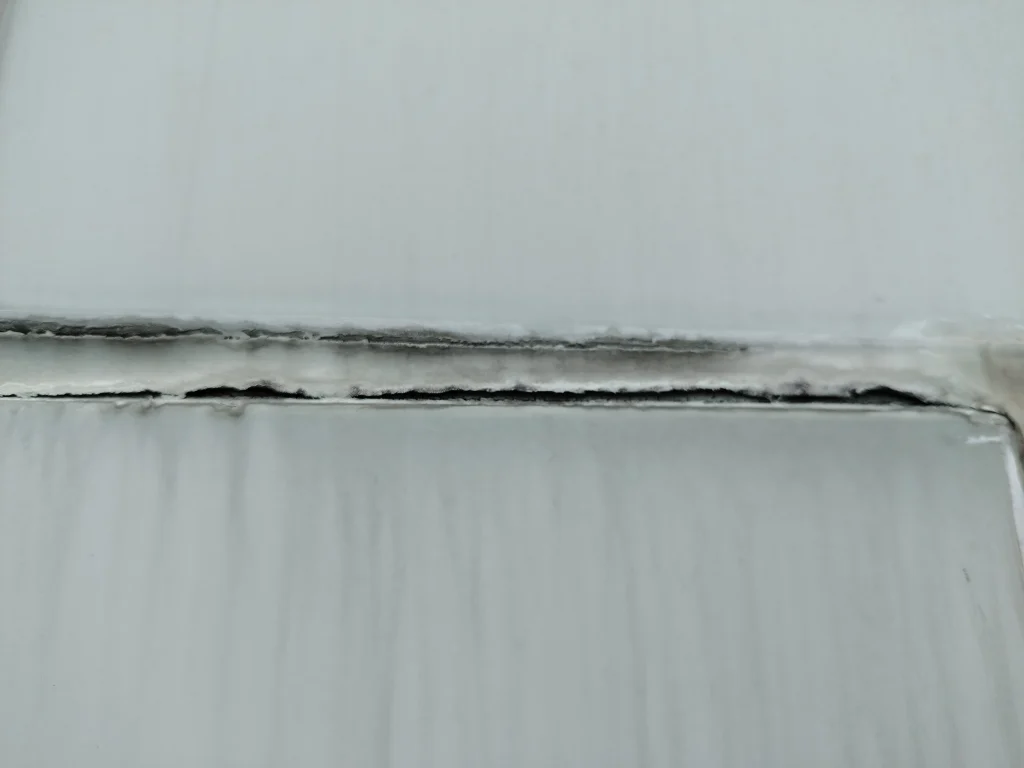
Failed sealant / open joint
Failed sealant and open horizontal joint with visible staining, indicating a possible water ingress pathway.
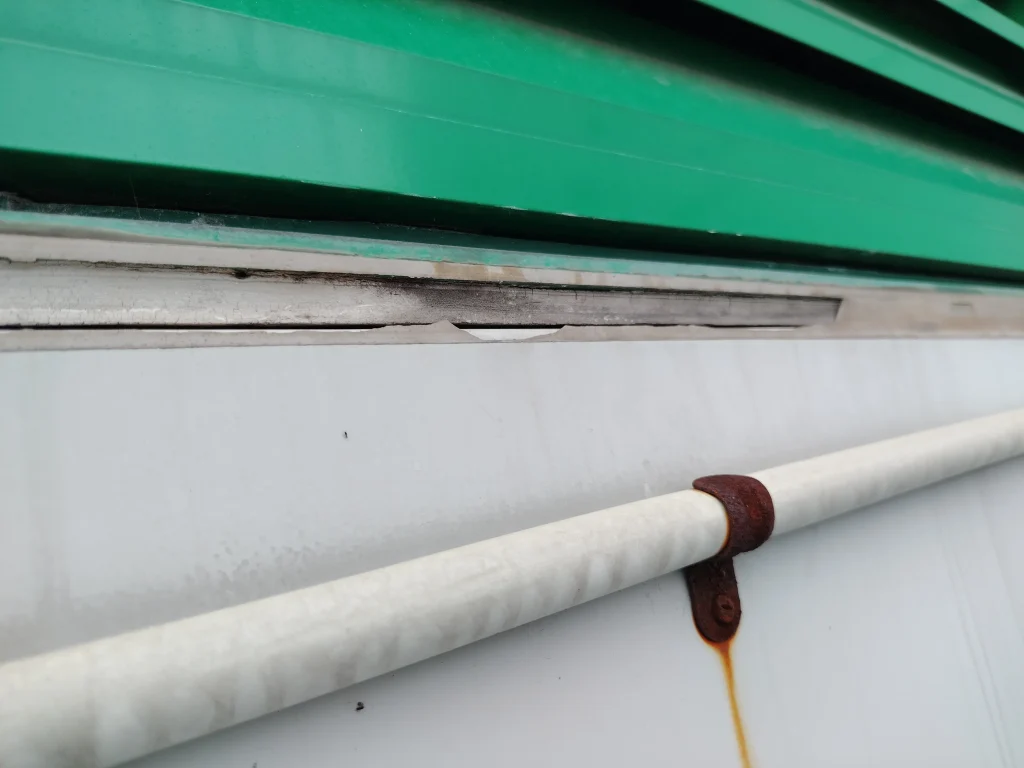
Louvre frame sealant gap / rust staining
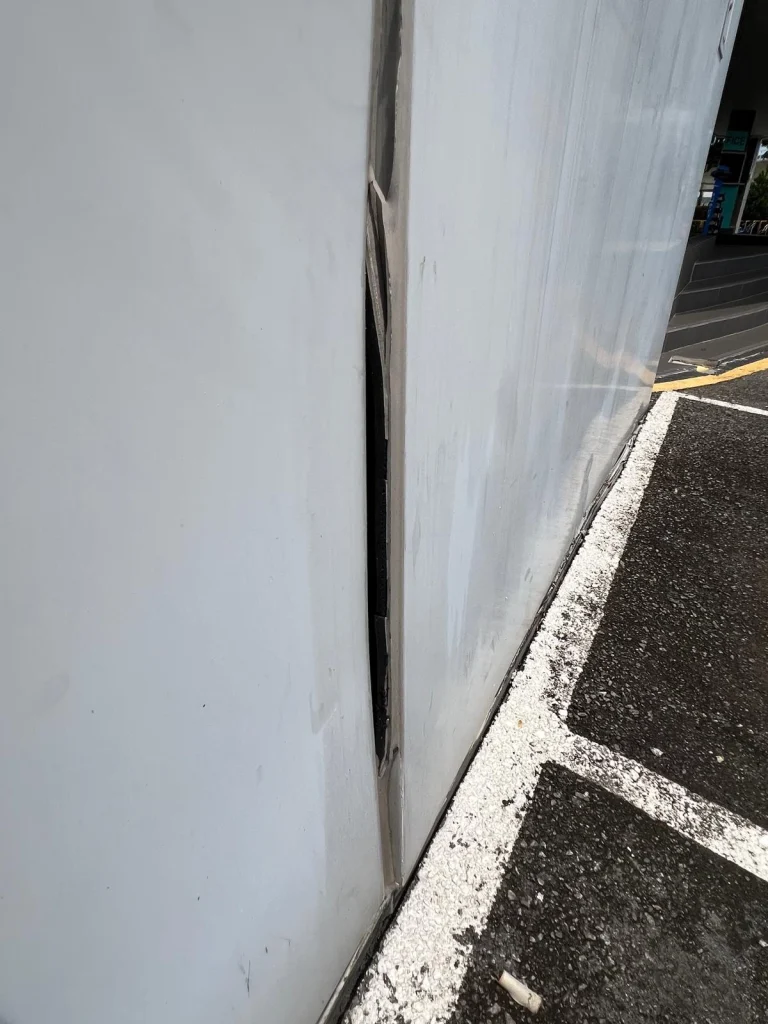
Open vertical panel joint
Open vertical facade panel joint with failed sealant and visible cavity, requiring repair assessment.
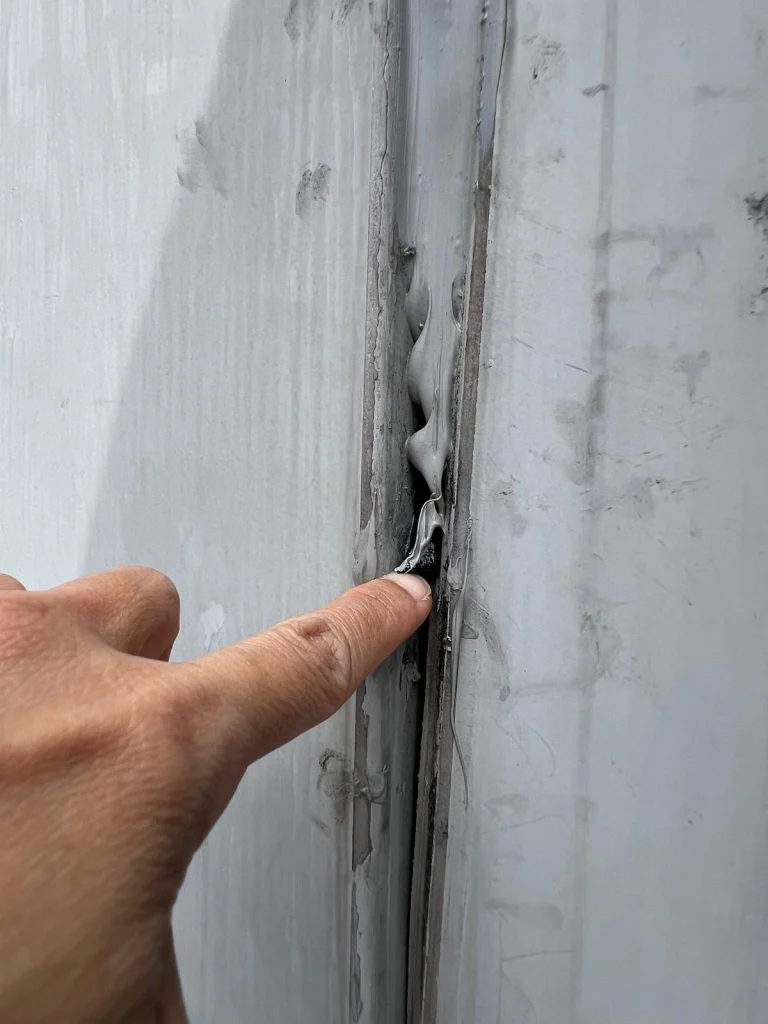
Close-range failed panel joint sealant
Close-range verification of failed sealant gap at vertical panel joint, confirming repair requirement.
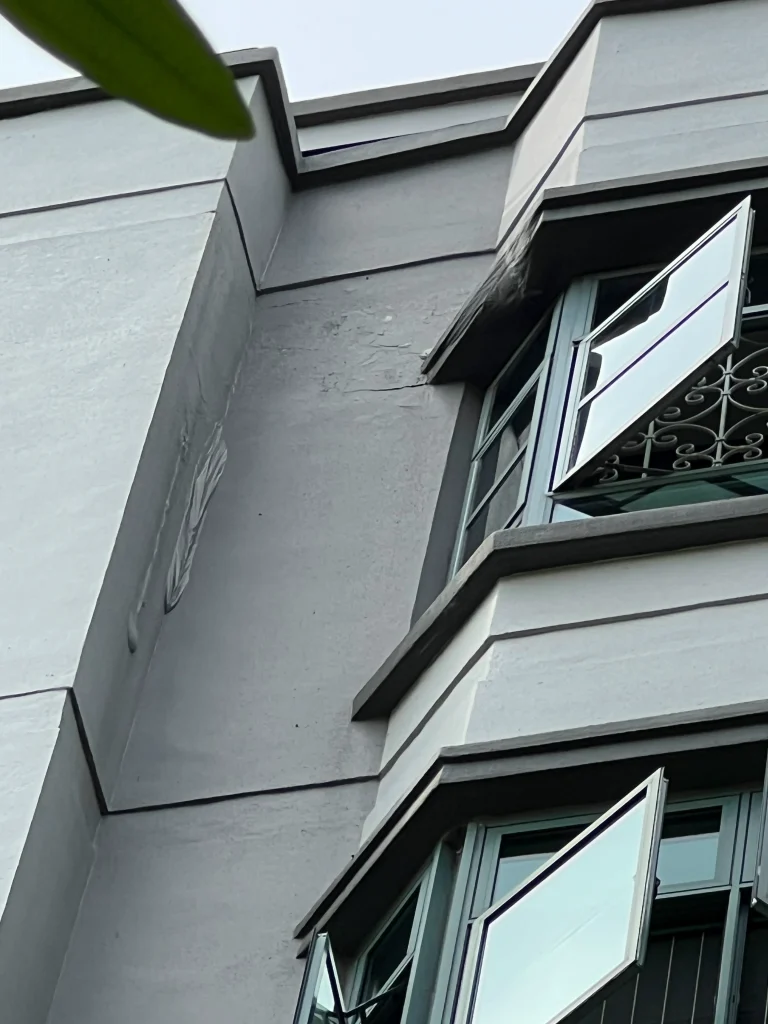
Efflorescence
Efflorescence on external wall crack and localised plaster deterioration near the window bay
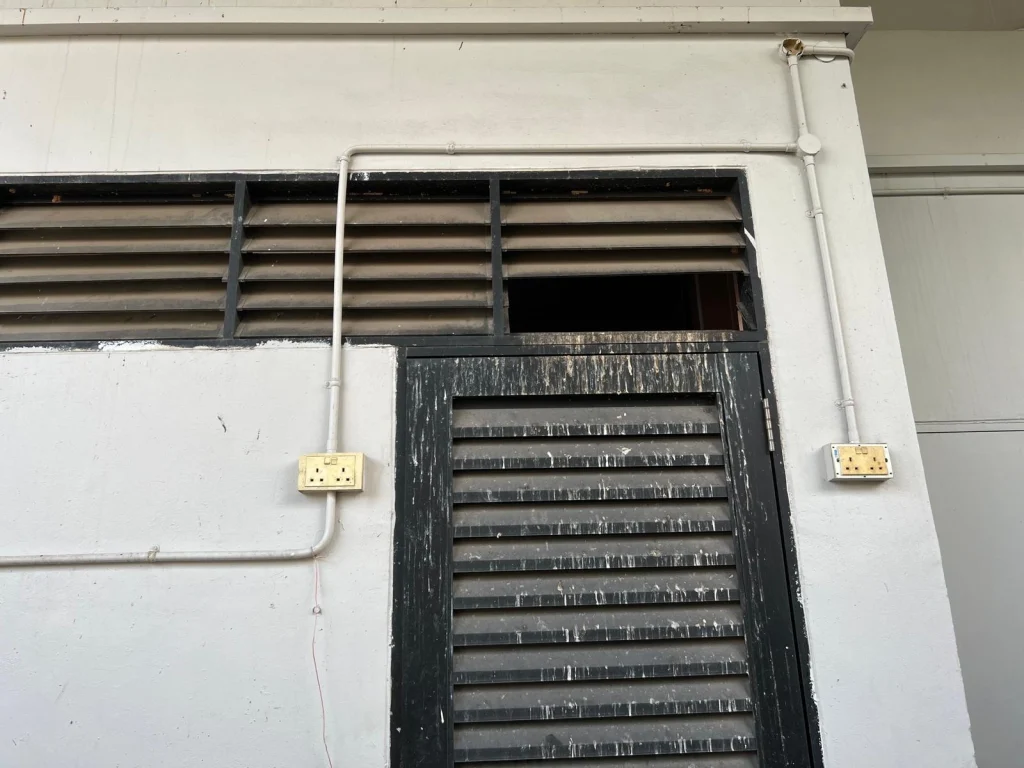
Louvre / door frame staining
Assessment Outcome
For this condominium PFI case study, the facade condition was assessed with no unsafe defect found. The identified defects were classified as requiring repair and were assessed to be non-critical at the time of inspection. The report concluded that no full facade inspection was required.
The practical message for MCSTs is that a condominium may still pass the safety-critical stage of PFI while having several repair-required items that should be budgeted, scheduled and followed up. A clear defect schedule helps the council prioritise works and keep facade maintenance accountable before the next inspection cycle.
Recommended Remedial Approach for Similar Condominium Defects
Observed Defect
Recommended Remedial Direction
Indicative Timeframe
Why This Case Study Matters for MCSTs and Managing Agents
- It demonstrates a complete residential PFI workflow from visual inspection to close-range verification and repair recommendation.
- It shows how drone inspection can create a systematic record of condominium elevations, especially for high-level facade areas.
- It highlights common age-related condominium facade defects that may affect repair budgeting and maintenance planning.
- It provides photo-based evidence that is easier for MCST councils, managing agents and owners to understand than text-only defect lists.
- It reinforces that repair-required defects should be addressed even when no unsafe defect or full facade investigation is required.
How SGFacadeScan Supports Condominium PFI in Singapore
Before inspection planning begins, the MCST or managing agent should prepare the available building records. Not every document may be available, but early preparation helps reduce delay and avoid repeated follow-up requests.
Step
SGFacadeScan Support
Review BCA PFI notice, available drawings, past maintenance information and known facade defect records.
Frequently Asked Questions
1. What is a condominium PFI case study?
2. Is drone inspection enough for condominium PFI?
3. What facade defects are common in older condominiums?
4. Does "require repair" mean the facade is unsafe?
5. How can SGFacadeScan help MCSTs after a PFI report?
SGFacadeScan can help MCSTs and managing agents understand the defect findings, organise photo records, prioritise repair actions, communicate with council members and plan the next steps needed for compliance and maintenance.