
Façade Defect Recommendations and Remedial Advice
SGFacadeScan helps MCSTs, managing agents, building owners and facility managers understand what to do after facade defects are identified during Periodic Facade Inspection (PFI). Our recommendations translate inspection findings into practical remedial advice, repair priorities, timeframes and follow-up actions that can be discussed with councils, owners, contractors and relevant project teams.
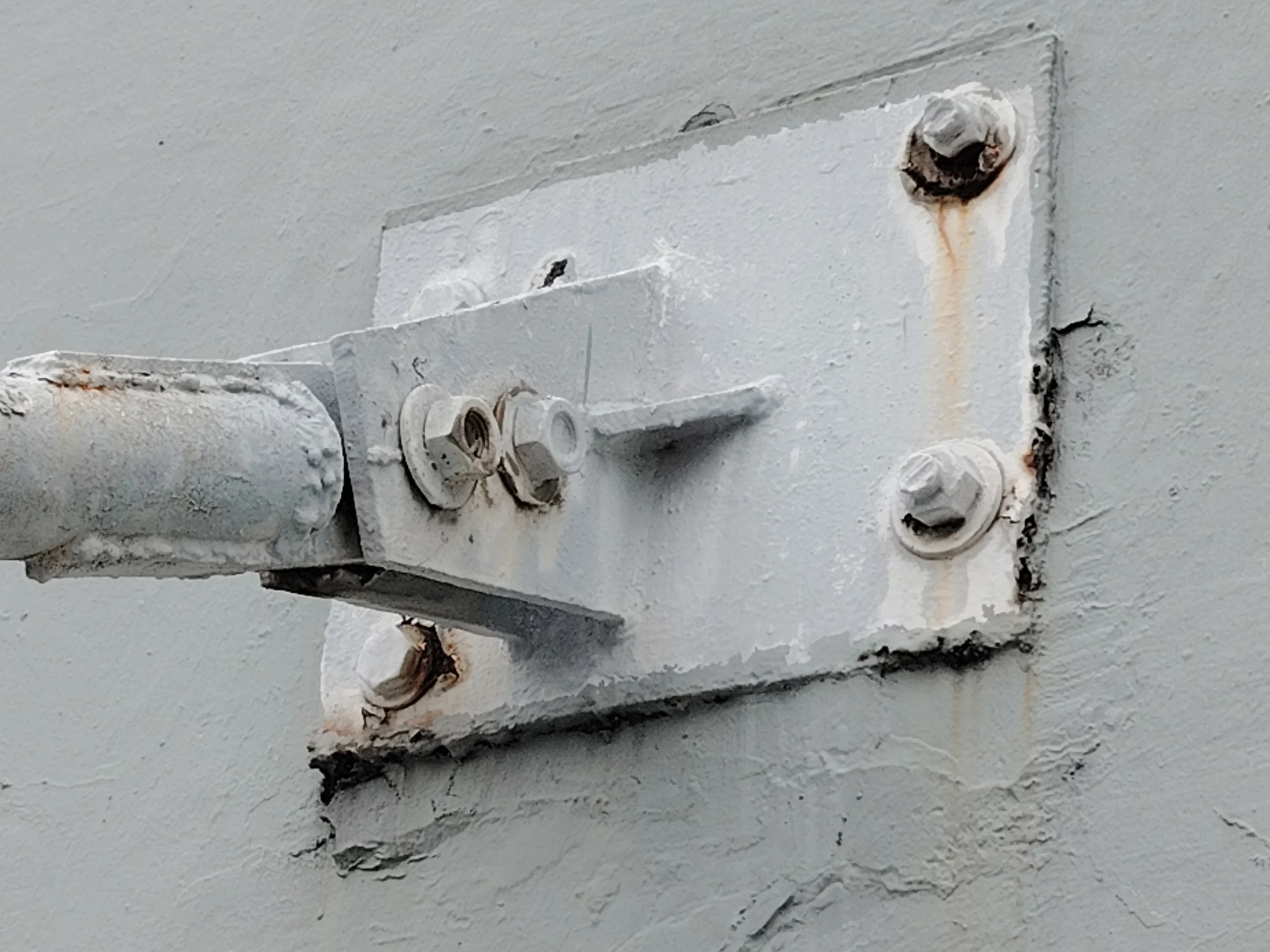
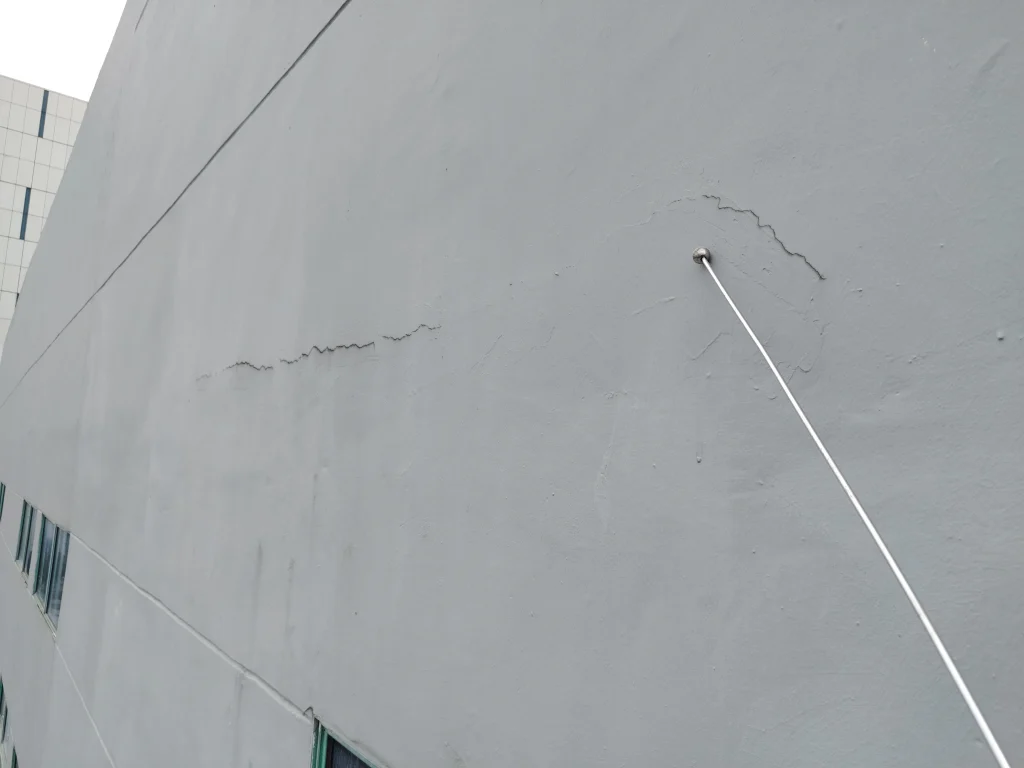
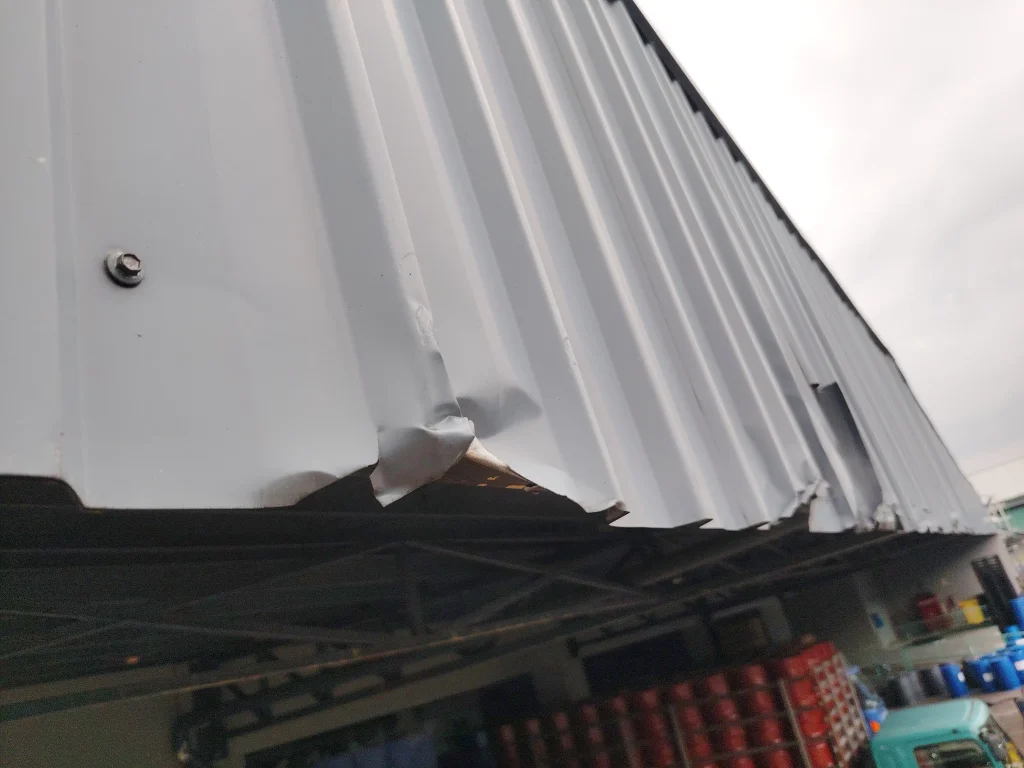
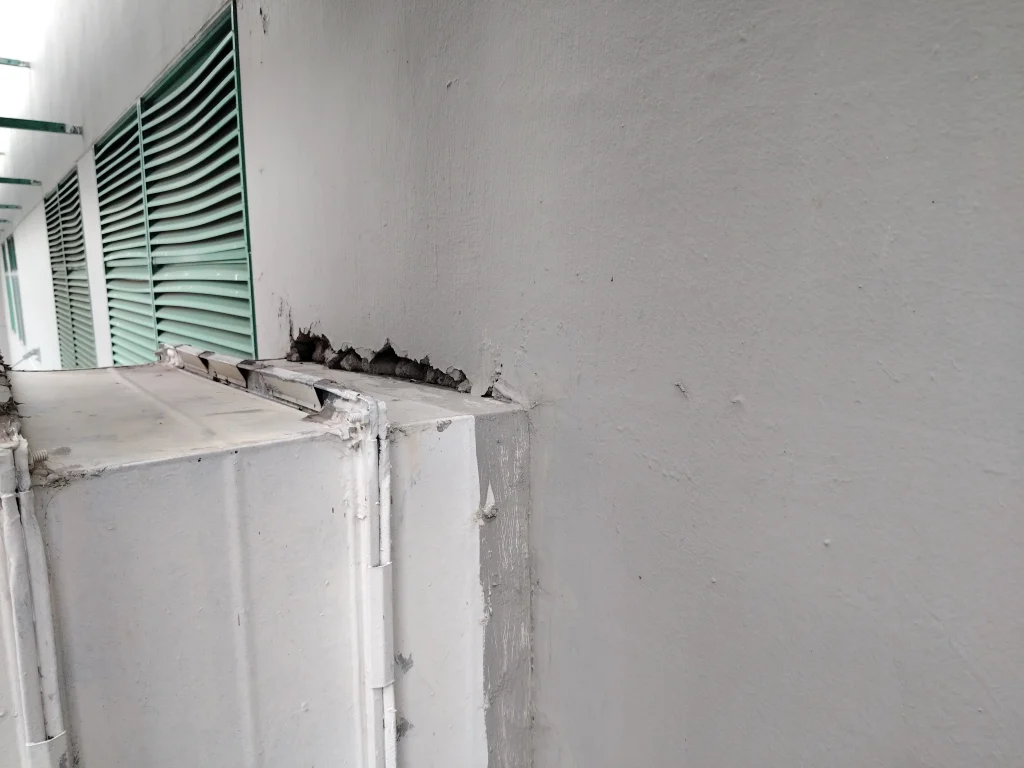
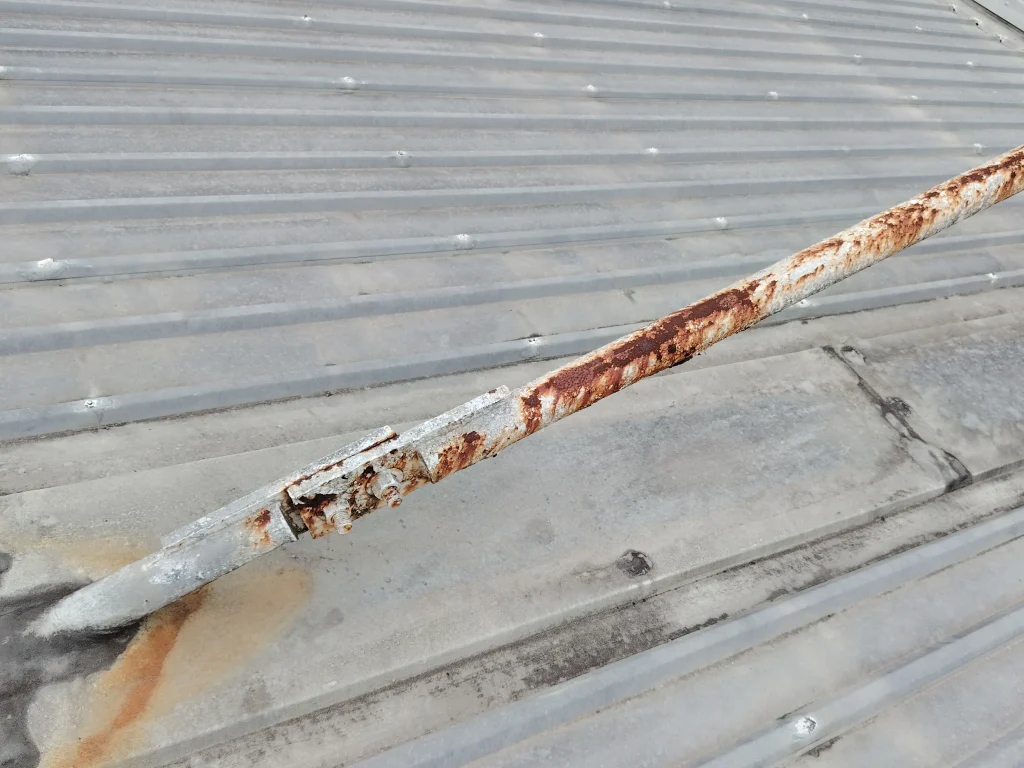
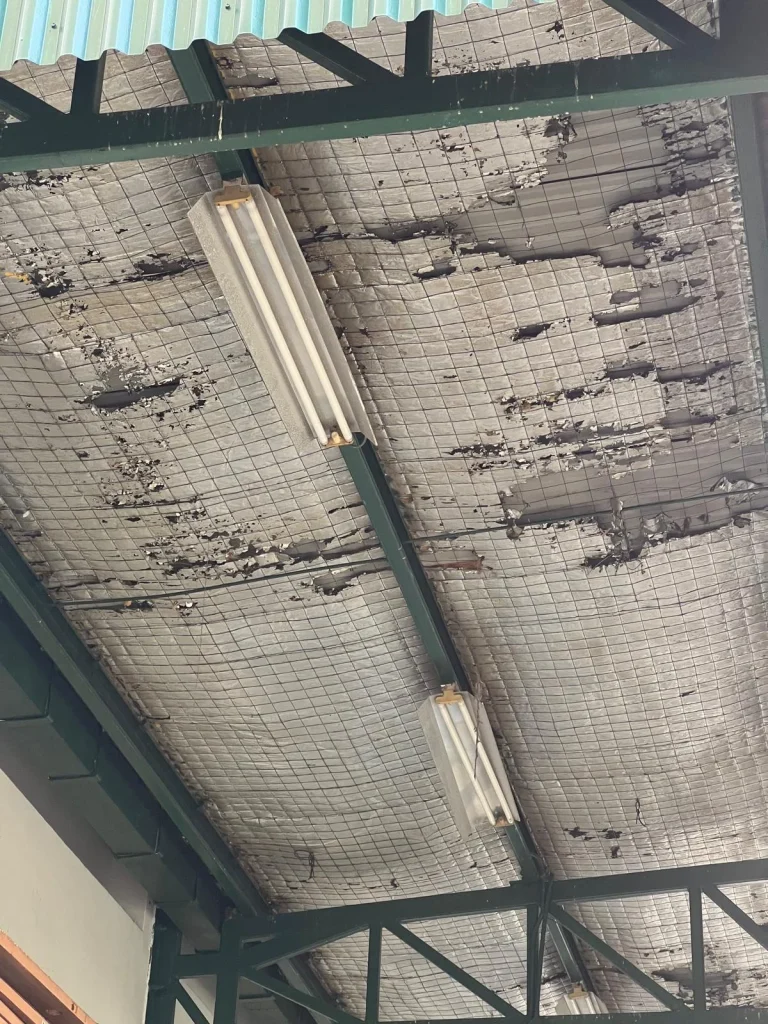
Facade defect recommendations explain what remedial works should be carried out after PFI defects are found. They typically cover corrosion repair, sealant replacement, window and glazing rectification, roofing or attachment repairs, plaster repair, water ingress treatment, vegetation removal, repair timeframes and whether CP supervision or further investigation is required.
A good PFI recommendation should not only list the defect. It should explain the likely risk, the likely cause where observable, the recommended action, the timeframe for repair, and whether further inspection, contractor input, specialist testing or Competent Person supervision may be required.
Why Defect Recommendations Matter After PFI
After facade defects are recorded, property teams need clear and defensible next steps. Recommendations help owners understand which items are routine maintenance, which items require repair within a stated timeframe, and which items may need immediate safety measures, further opening-up, contractor investigation or professional supervision.
- They help MCSTs and building owners prioritise repair items after inspection.
- They convert technical observations into practical contractor scopes and owner action items.
- They support repair budgeting, council approvals, tender enquiries and maintenance planning.
- They help reduce repeated deterioration by addressing likely root causes such as water ingress, corrosion, failed sealant or impact damage.
- They provide a clearer record for BCA PFI follow-up and post-repair documentation.
How SGFacadeScan Prepares Remedial Advice
Our recommendations are prepared from the inspection record, defect photographs, elevation references, close-range findings and professional review by the appointed Competent Person and inspection team. The aim is to make the advice specific enough for owner decision-making, without presenting generic repair wording that is disconnected from the actual building condition.
- Review visual inspection and close-range inspection findings by elevation, level and facade element.
- Group similar defects into practical repair categories, such as corroded fixings, failed sealant, damaged panels, cracks, water ingress or loose attachments.
- Set recommended repair timeframes based on defect nature, condition, exposure and potential deterioration risk.
- State whether selected remedial works should be carried out under Competent Person supervision.
- Present findings in a format useful for MCST council updates, owner communication, contractor quotations and PFI reporting.
Typical Facade Defects and Recommended Remedial Actions
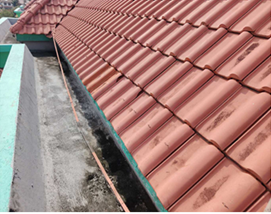
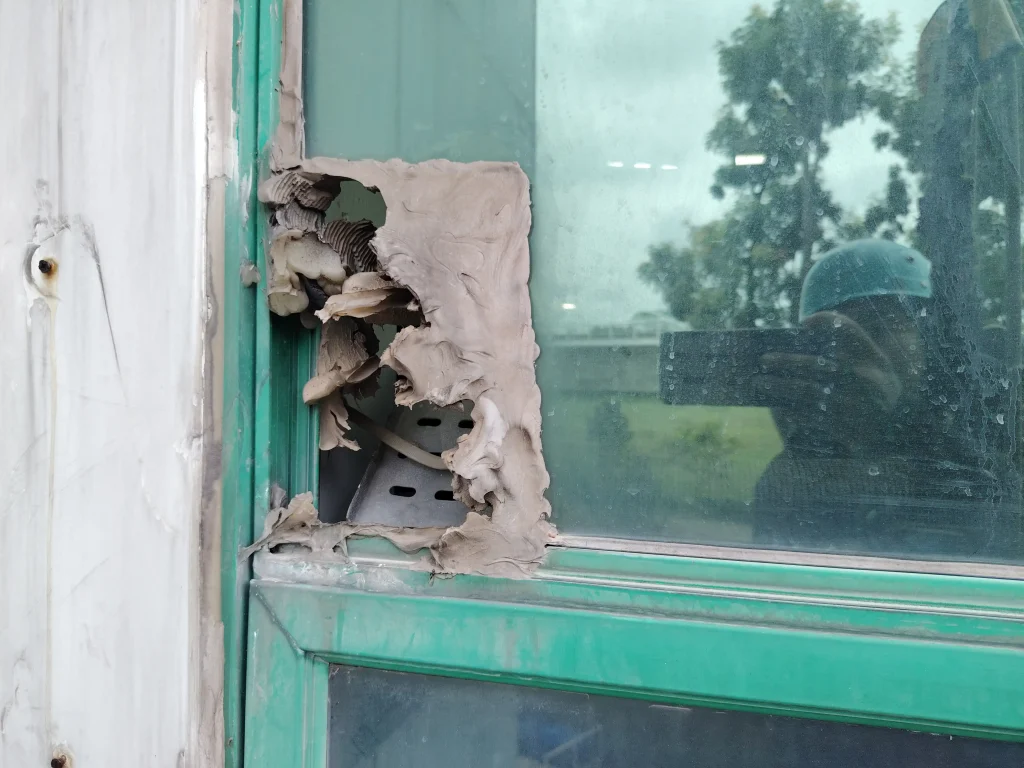
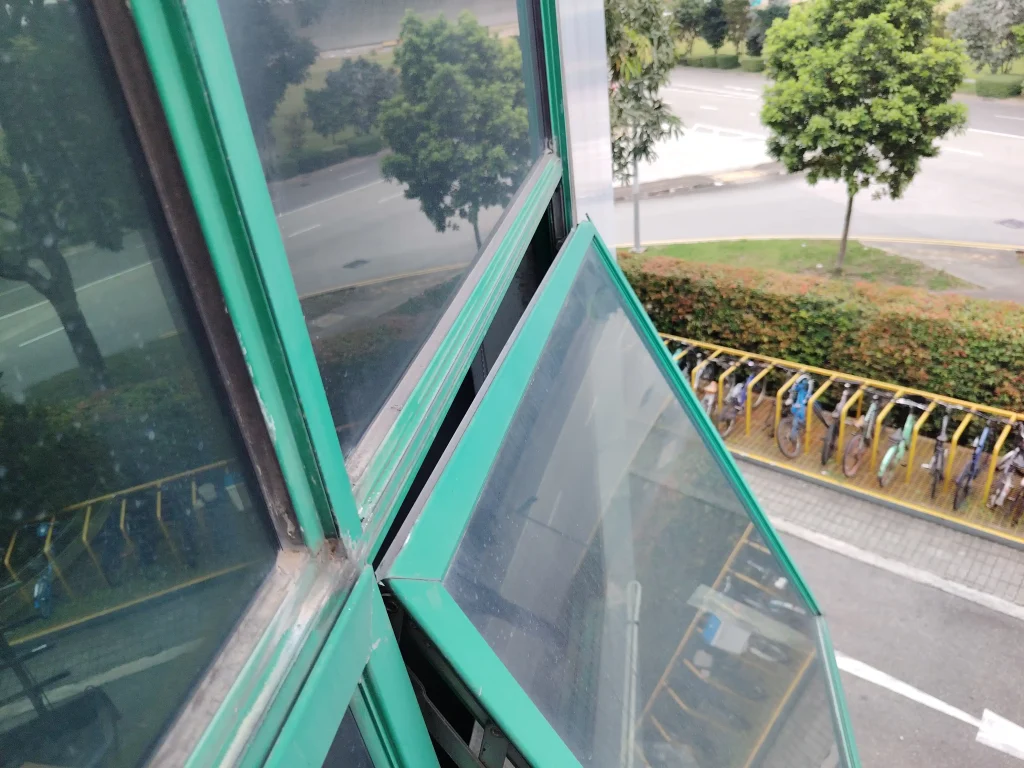
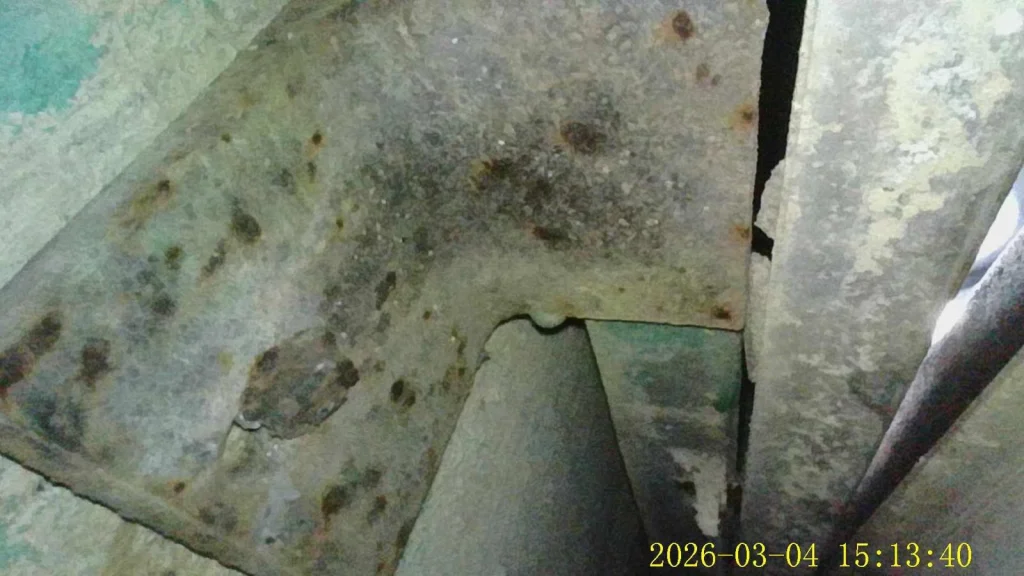
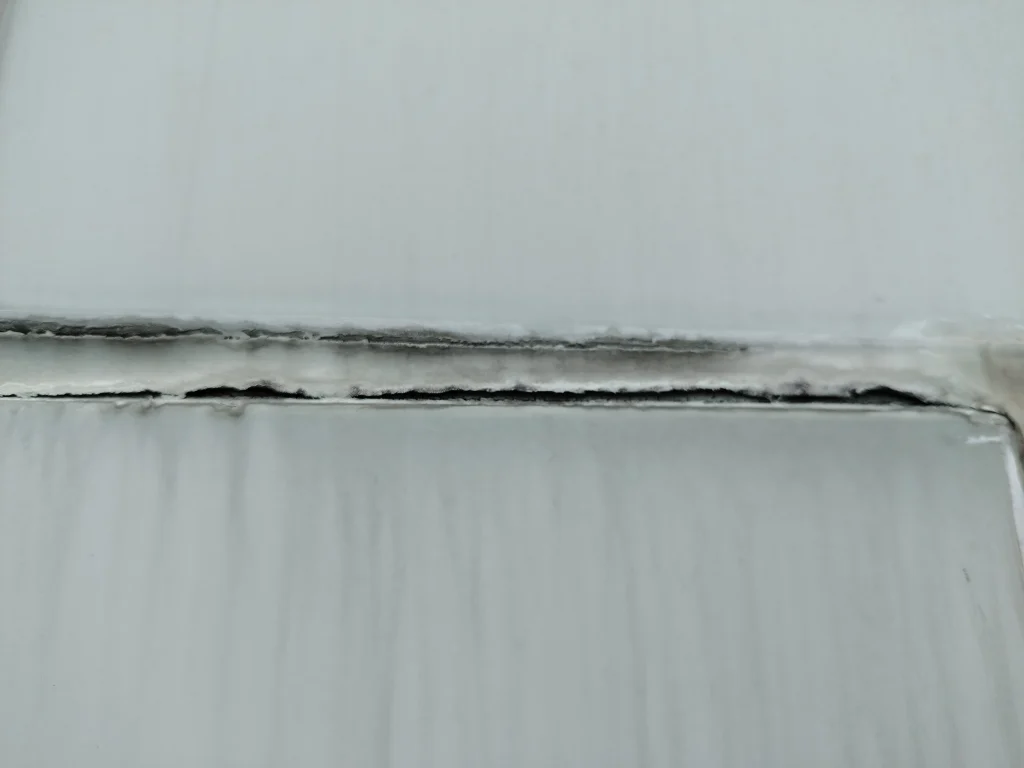
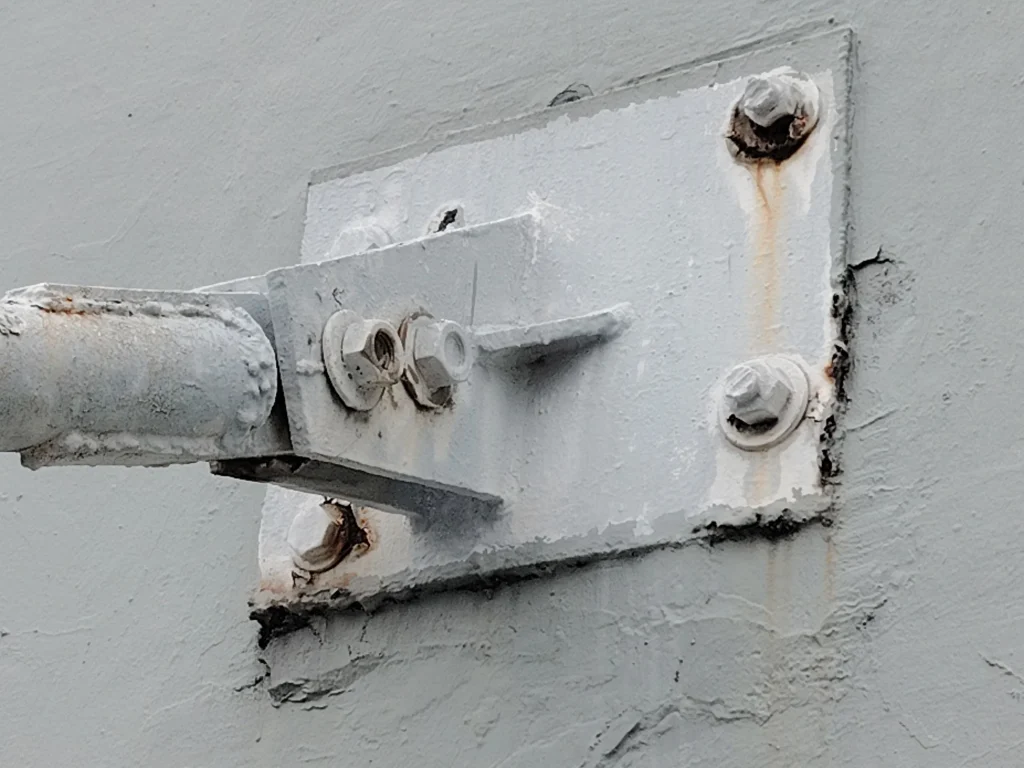
Repair Timeframes and Follow-Up Actions Follow-Up Actions
Where defects require repair, the recommendation should state a practical timeframe and follow-up action. In many PFI reports, repair items may be grouped under a timeframe such as “within 6 months or the next repair cycle, whichever is earlier,” but the final timeframe should always follow the Competent Person’s assessment of the actual defect condition.
- Immediate action may be required where loose, dangling or potentially falling elements are observed.
- Repair-required items should be tracked with photographs, location references, contractor scope and completion records.
- Repeated water ingress or corrosion should be addressed at the source, not only repainted at the surface.
- Post-repair photos and contractor completion records should be retained for owner records and future inspection cycles.
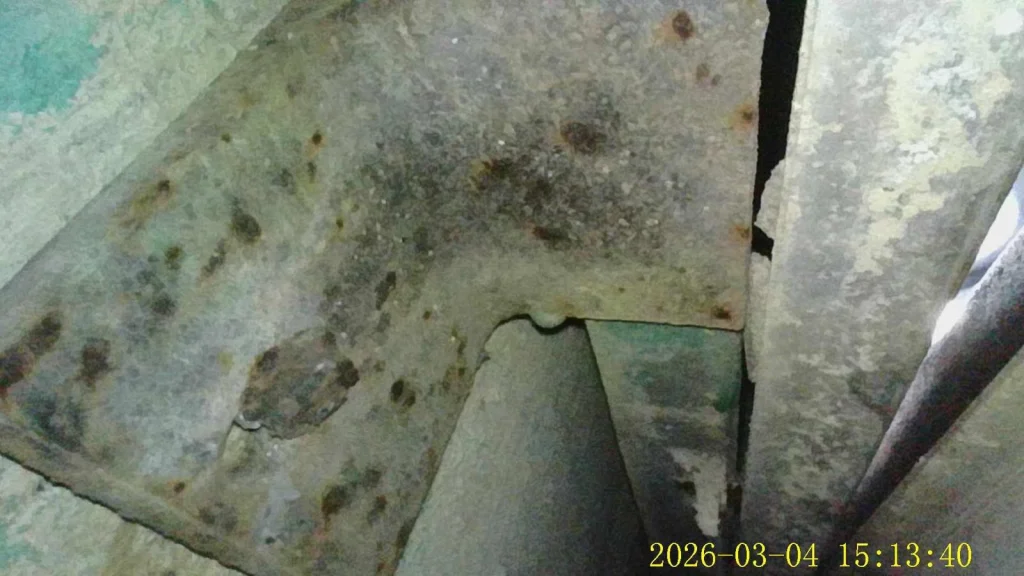
When Further Inspection or CP Supervision May Be Needed
Some defects cannot be fully assessed from surface photographs alone. Where damage suggests possible concealed deterioration behind cladding panels, repeated impact damage, corrosion of hidden brackets or movement of support systems, SGFacadeScan may recommend targeted further inspection, opening-up, replacement of affected components or Competent Person supervision during selected remedial works.
- Cladding panels with dents, open joints or water ingress behind the panel system.
- Corroded concealed brackets, bolts or fixing components supporting facade cladding.
- Loose or defective attachments where failure could create falling-object risk.
- Broken glazing interfaces where metal members, movement or poor detailing may have contributed to damage.
- Repeated defects at operational areas exposed to forklift movement, vehicular impact or loading activity.
Remedial Advice for MCSTs, Managing Agents and Building Owners
Our recommendations are written to support practical decision-making. For MCSTs and managing agents, this means clearer council updates and repair budgeting. For building owners and facility managers, this means a more organised repair scope and better records for future inspection cycles.
- For MCSTs: prepare clear defect summaries for council meetings and owner communication.
- Corroded For managing agents: coordinate access, quotations, repair tracking and documentation.brackets, bolts or fixing components supporting facade cladding.
- For building owners: understand repair priorities, safety implications and maintenance planning.
- For facility managers: reduce recurrence by addressing root causes such as water ingress, failed sealant and exposed metal corrosion.
What to Prepare Before Requesting Remedial Advice
To prepare more accurate recommendations, SGFacadeScan may request the BCA PFI notice, available elevation drawings, previous repair records, known defect photos, maintenance history, access constraints and any past PFI or facade inspection reports. These records help connect visible symptoms to possible causes and suitable follow-up actions.
- BCA PFI notice or owner instruction letter.
- Building address, number of blocks, approximate age and facade system information.
- Available elevation drawings, shop drawings or previous facade records.
- Defect photographs from owners, managing agents, contractors or facility teams.
- Past repair and repainting records, especially for recurring water ingress or sealant failure.
- Access constraints such as roadways, loading bays, rooftop restrictions or neighbouring property boundaries.
Frequently Asked Questions
1. What are facade defect recommendations?
Facade defect recommendations are professional remedial advice prepared after defects are identified during inspection. They explain the recommended repair action, urgency, timeframe and whether further investigation, specialist input or CP supervision may be needed.
2. Are all facade defects unsafe?
No. Many defects are maintenance or repair-required items rather than immediate unsafe conditions. However, loose elements, broken glass, unstable attachments or severe deterioration should be assessed carefully and addressed promptly.
3. What facade defects commonly require repair after PFI?
Common repair items include corroded screws and brackets, deteriorated sealant, cracked plaster, hollow plaster, water ingress, broken glazing, damaged cladding panels, loose attachments, damaged roofing sheets and vegetation growth.
4. Will the recommendations include repair timeframes?
Yes. A clear recommendation should include a practical timeframe based on the defect condition and the Competent Person’s assessment. The timeframe helps owners plan repairs, budgets and follow-up records.
5. When is Competent Person supervision required?
CP supervision may be required where remedial works involve important facade support components, concealed fixings, cladding support systems, selected opening-up works or defects that require professional verification during repair.
6. Can SGFacadeScan help turn recommendations into contractor scope?
Yes. SGFacadeScan can help structure defect records, repair categories and recommended actions into a clearer scope for contractor quotation, owner review and repair tracking.
7. Does SGFacadeScan carry out the repair works?
SGFacadeScan focuses on facade inspection, PFI documentation, professional assessment and recommendations. Remedial works should be carried out by qualified contractors or specialists suitable for the repair type.
8. What should owners do after repairs are completed?
Owners should keep post-repair photographs, contractor completion records, product information, warranties where relevant and any inspection notes. These records are useful for future maintenance and PFI cycles.